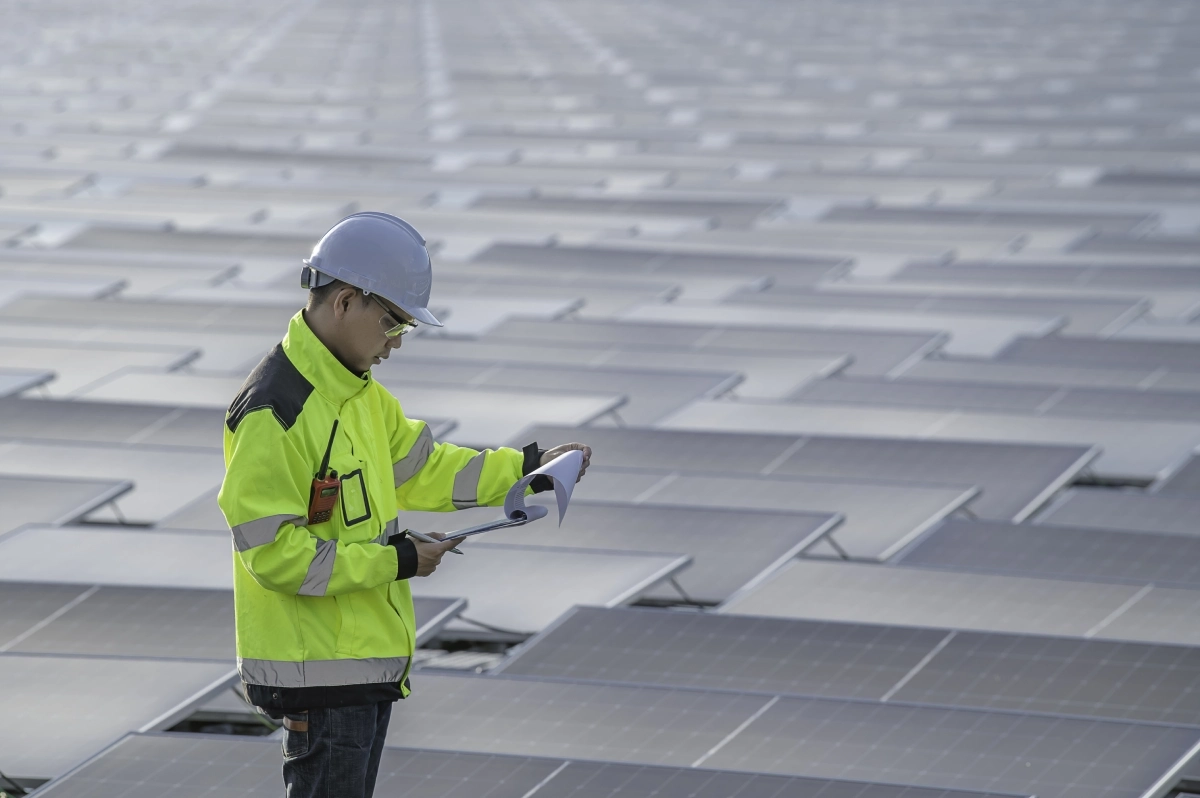
When your commercial roof reaches the end of its lifespan or suffers major damage from storms, leaks, or general wear, you need a team that knows how to handle the job correctly the first time. Businesses in Arlington rely on professional roof replacement to protect their buildings, maintain safety, and avoid costly interruptions. Whether you manage a warehouse, industrial facility, retail center, office building, or medical property, choosing the right experts for commercial roof replacement in Arlington is essential for long-term performance. If you are noticing persistent leaks or structural concerns, schedule a professional roof evaluation today.
Every commercial roof eventually reaches a point where repairs are no longer enough. Age, constant sun exposure, hail, heavy rains, and high winds all take a toll on roofing systems. Issues such as widespread leaks, membrane deterioration, mold, and insulation damage can compromise safety and energy efficiency, making replacement the best long-term decision.
A new roof offers better durability, improved insulation, and reduced maintenance costs. Modern systems also perform better in hot Texas weather and storm-prone conditions. Whether your building features a flat roof, metal roof, or single-ply system, replacing it with a modern, energy-efficient roof can significantly extend the life of your property and lower operating expenses. Professional commercial roofing contractors in Arlington understand local codes, weather patterns, and material requirements, which helps ensure a smooth and compliant installation.
911 Commercial Roofing handles all types of commercial roofing systems with precision and care. Each project begins with a detailed inspection so our team can recommend the best solution based on your building’s needs.
Flat and low-slope roofs are common in commercial buildings across Arlington. We work with TPO, EPDM, PVC, and Modified Bitumen systems to provide dependable flat roof replacement that enhances weather resistance and improves overall energy performance. These systems are ideal for warehouses, manufacturing plants, retail centers, and distribution facilities.
If your building uses metal roofing, we offer complete roof replacement using standing seam, R-panel, and corrugated metal options. Metal roofs are known for longevity and low maintenance. When they reach the end of life or sustain storm-related damage, our team provides a secure, efficient replacement that will hold up for decades.
For buildings requiring efficient energy performance, single-ply TPO or PVC membranes are an excellent choice. These systems offer exceptional UV protection, flexibility, and durability. Our team ensures a smooth installation that supports strong climate control and reduced energy costs, making them ideal for offices, retail spaces, and healthcare buildings.
Older commercial buildings often use multi-layer systems like built-up roofing or modified bitumen. We provide full replacement using modern, durable materials that improve waterproofing and reliability. These roofs work well for heavy-use facilities that need long-term resilience.
Texas weather can be unpredictable, and severe storms or hail can create major roofing issues. We offer fast response and complete storm restoration services, along with assistance in documenting damage for insurance claims. When damage is beyond repair, we provide secure commercial roof installation that protects your building from future weather events.
Our team has served businesses in Arlington and the surrounding areas for years. We, at 911 Commercial Roofing, understand the region’s climate, regulatory codes, and commercial building requirements, which helps us deliver roofing solutions that truly last.
We use premium, energy-efficient, and weather-resistant roofing materials from manufacturers known for reliability. Each system is chosen to match your property’s structure, performance goals, and budget.
Before beginning any work, we perform a full inspection supported by photos and clear documentation. We only recommend replacement when absolutely necessary, and we always provide options so you can make an informed decision.
All technicians follow OSHA guidelines and local safety codes. Our team prioritizes safe installation practices and thorough preparation to ensure a secure and long-lasting roof.
We, at 911 Commercial Roofing, understand that roof work can interrupt daily operations. Our team schedules projects at convenient times, works efficiently, and maintains a clean job site. We aim to keep your business running smoothly throughout the entire roof replacement process.
If you notice persistent issues, your roof may be nearing the end of its usefulness. Watch for symptoms such as:
Delaying replacement can lead to costly repairs, business interruptions, and safety concerns. Early inspections help prevent more extensive damage.
A clear and organized process ensures consistent quality on every project.
Whether you need a flat roof replacement, metal roof replacement, TPO roof replacement, or emergency roof replacement, we provide reliable roof repair service in Arlington levels of professionalism applied to larger commercial projects.
A durable, properly installed roof protects your investment, enhances safety, and supports long-term business performance. If your building is showing signs of aging or ongoing leaks, it may be time for a full commercial roof replacement in Arlington. Contact us today to schedule your roof evaluation, request a free estimate, or speak with a professional about the best roofing options for your building. Protect your property with trusted expertise and long-lasting roofing solutions.
Dallas Commercial Roof Replacement | Fort Worth Commercial Roof Replacement | Plano Commercial Roof Replacement
© 2025 911 Commercial Roofing All rights reserved. Designed By 
 972-900-5087
.png) support@911commercialroofing.com
support@911commercialroofing.com