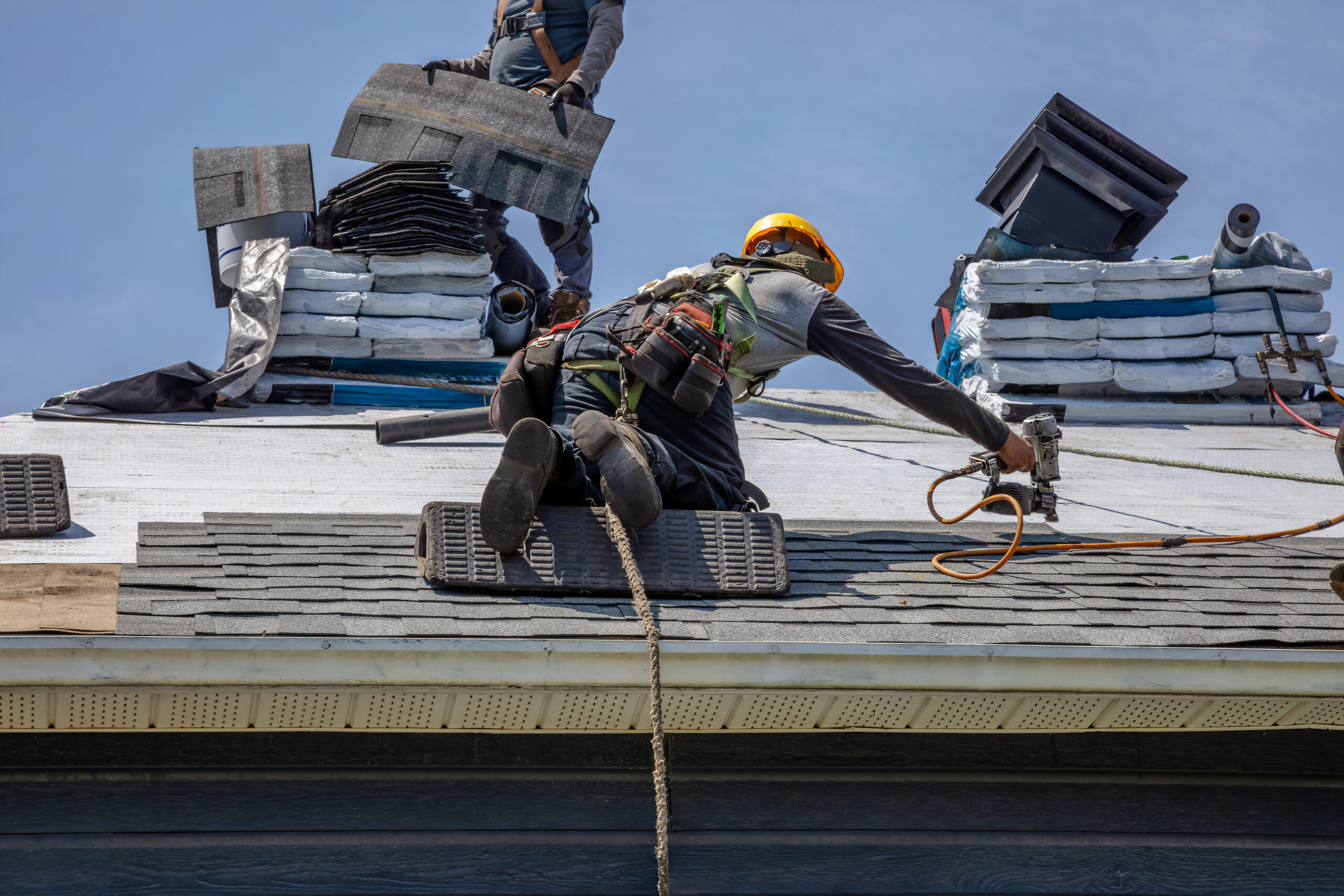
A commercial roof installation is a major building decision. The roofing system has to do more than keep rain out. It needs to work with the structure, drainage design, insulation, rooftop equipment, access requirements, and the way the property is used every day.
For businesses in Arlington, those considerations become especially important because commercial properties deal with intense summer heat, heavy thunderstorms, high winds, and occasional hail. A roof that is properly designed and installed from the beginning can provide a more dependable foundation for the building’s long-term maintenance plan.
911 Commercial Roofing provides commercial roof installation in Arlington for businesses, property owners, facility managers, and commercial construction projects. We can evaluate the property, discuss appropriate roofing-system options, and develop an installation approach based on the building rather than relying on a one-size-fits-all specification.
For an evaluation of your commercial property, call 972-900-5087 or request a free inspection.
The roofing material should not be the first decision.
Before recommending a system, a commercial roofing professional should understand how the building is designed and how the roof will be used. A warehouse with large rooftop units has different requirements from a retail property with frequent pedestrian traffic, while an office or medical facility may have different priorities for access, appearance, insulation, and disruption.
Important considerations can include:
This initial planning can prevent a common problem: choosing a roofing system based primarily on material preference without considering whether it fits the actual property.
Arlington’s North Texas climate places substantial demands on commercial roofing systems.
Summer heat can create prolonged exposure to high temperatures, while thunderstorms can bring intense rainfall, strong wind, and hail. Those conditions make several parts of an installation particularly important.
Drainage needs to be planned correctly. A commercial roof must move water toward drains, scuppers, gutters, or other designed drainage points. Areas where water repeatedly remains after rainfall may indicate problems with slope, drainage capacity, structural conditions, or the roofing assembly.
Seams and penetrations require careful installation. Membrane seams, flashing, pipe penetrations, curbs, vents, and equipment interfaces can become vulnerable areas if they are not properly detailed.
The roof assembly also needs to account for heat exposure. Depending on the system and building requirements, insulation, membrane characteristics, reflectivity, and overall roof design may influence how the property performs during hot weather.
The goal is not to select a material simply because it is marketed for Texas. The installation should address the actual exposure and configuration of the Arlington property.
There is no single commercial roof system that is appropriate for every Arlington building. The right choice depends on the roof design, structural conditions, performance requirements, budget considerations, and long-term maintenance expectations.
TPO and PVC are single-ply membrane systems frequently considered for low-slope commercial roofs. They can provide a continuous waterproofing layer when properly installed, with seams joined according to the requirements of the selected system.
Reflective membrane options may also be considered where heat exposure and the building’s overall energy strategy are important.
EPDM is a synthetic rubber membrane used on many low-slope commercial buildings. Its flexibility and established use in commercial roofing make it an option worth evaluating for appropriate properties.
The suitability of EPDM depends on the roof assembly, detailing requirements, drainage, penetrations, and the property’s operating conditions.
Some commercial properties benefit from multi-layer roofing assemblies such as modified bitumen or built-up roofing.
These systems can provide layered protection and may be appropriate where the building’s design and performance requirements support their use. Installation details, flashing, transitions, and penetrations remain critical regardless of the number of layers involved.
Metal roofing can be considered for warehouses, industrial facilities, and other commercial structures where durability and the building’s design make a metal system appropriate.
Standing-seam and other metal configurations have different installation and detailing requirements. Fasteners, seams, penetrations, panel transitions, and movement considerations should be evaluated as part of the overall system rather than treated as separate details.
For a new commercial building in Arlington, roofing work needs to be coordinated with the rest of the construction process.
Roof installation can intersect with structural work, insulation, HVAC installation, electrical work, plumbing penetrations, rooftop equipment, and other trades. If these elements are not properly coordinated, roofing details may have to be modified or disturbed later.
A commercial roofing contractor may need to account for:
This is particularly important for buildings that will have significant rooftop equipment. The roof should provide appropriate access and detailing without creating unnecessary points of vulnerability.
Not every installation project involves a brand-new building.
A commercial property may require a new roofing system because the existing roof has reached the point where continued repairs or restoration no longer make practical sense. In that situation, the replacement project should begin with a close evaluation of the existing assembly.
Signs that replacement may need to be considered include:
The existing roof condition can affect the installation strategy. Depending on what an inspection reveals, the project may involve removal of existing materials, preparation of the substrate, insulation improvements, installation of a new membrane or metal system, and replacement of damaged components.
That is why commercial roof replacement in Arlington should not be approached simply as putting new material over an old roof. The condition beneath the visible surface matters.
Commercial roofing projects take place on working properties. A successful installation therefore needs to account for the business below the roof as well as the roofing work itself.
A retail property may need customer access to remain functional. A warehouse may have deliveries and loading operations. An office building may need quiet or controlled work periods. Facilities with sensitive equipment may have additional access and protection requirements.
Project planning can address:
The exact approach depends on the property. The important point is that commercial roof installation should be planned as a construction project, not simply as a material delivery followed by installation.
A commercial roofing system can use high-quality materials and still develop problems if critical installation details are overlooked.
Professional installation should pay close attention to transitions and vulnerable areas rather than concentrating only on the main field of the roof.
These areas can include:
Roof edges: Edge metal, termination details, and membrane attachment need to be appropriate for the selected roofing system and building conditions.
Flashing: Wall transitions, curbs, penetrations, and other changes in the roof plane require properly installed flashing.
Seams: Single-ply membranes depend on properly formed seams. Installation conditions and workmanship can affect seam integrity.
Drainage: Drains, scuppers, gutters, and related pathways need to remain functional and properly integrated with the roofing assembly.
Penetrations: Every pipe, vent, curb, and piece of rooftop equipment creates another location that must be properly detailed.
Substrate conditions: Damaged or unsuitable surfaces can affect the performance of the roofing system installed above them.
These details are not cosmetic. They are part of how the roofing system manages water and withstands everyday exposure.
A property owner should not automatically assume that a roofing problem requires a complete new roof.
If damage is localized and the existing system remains serviceable, Arlington commercial roof repair may be a more appropriate solution. A professional evaluation can help distinguish between isolated damage and broader system deterioration.
For example, a localized membrane issue, damaged flashing, or a specific penetration may be repairable without replacing the entire roof.
On the other hand, repeated leaks across multiple sections, widespread deterioration, damaged insulation, or persistent system failures can change the recommendation.
The decision should be based on the condition of the roof and the property’s long-term needs—not simply on the presence of one leak.
Water management is central to commercial roof performance.
A waterproofing strategy may involve the roofing membrane itself, properly installed flashing, drainage components, penetrations, transitions, and in some cases restoration or coating work on an eligible existing roof.
For an existing Arlington property, commercial roof waterproofing can be considered when the objective is to improve water resistance without automatically moving directly to full replacement. However, coatings or restoration systems are not appropriate for every roof. The existing membrane, substrate condition, moisture levels, drainage, and overall system integrity need to be evaluated first.
For new installation, waterproofing is already built into the roofing system’s design. The priority is making sure every component works together to manage water effectively.
Before approving a commercial roof installation, property owners and facility managers should understand what is actually being proposed.
A useful proposal should make the scope reasonably clear, including the roofing system, major materials, preparation requirements, areas being addressed, penetrations and flashing, insulation considerations, and other significant components of the work.
It is also reasonable to ask:
Clear answers help the property owner understand the project rather than making a decision based only on the name of the roofing material.
A commercial roofing project should solve a building problem, not simply put a new surface over the structure.
For Arlington businesses, that means considering the property’s design, North Texas weather exposure, drainage, rooftop equipment, access, insulation, existing roof condition, and day-to-day operations before installation begins.
911 Commercial Roofing provides commercial roofing services for Arlington properties, including commercial roof installation, repair, replacement, inspection, maintenance, waterproofing, restoration, coatings, and metal roofing.
If you are planning a new commercial building, replacing an aging roof, or trying to determine whether the existing system can still be repaired, an evaluation can help establish the appropriate next step.
Options include flat roof installation (TPO, PVC, EPDM and Modified Bitumen with heat-welded or fully adhered seams), metal roof installation (standing seam, R-panel and corrugated), single-ply systems, built-up roofing, and specialty or custom solutions like cool roofs and reflective coatings.
It depends on the building. Metal systems such as standing seam and R-panel provide fire resistance, wind performance and low maintenance ideal for storm-prone areas, while single-ply TPO and PVC membranes offer strong UV protection and reflective surfaces for heat control.
Commercial roofs can last anywhere from 15 to 30 years depending on the material and maintenance routine. Recurring leaks, rising energy bills, sagging areas, damaged membranes or visible wear are signs that replacement may be needed sooner.
The process includes an on-site roof evaluation of structure and existing damage, a customized roofing plan based on building type and budget, professional installation by skilled commercial roofers, and a final inspection confirming the roof meets safety, performance and code standards.
Yes. The team follows Arlington’s local building codes, manufacturer guidelines and commercial roofing standards, and every installer is trained, certified and insured, with practices that follow OSHA safety guidelines to ensure the roof is built correctly from day one.
Yes. Specialty and custom options include cool roof systems, reflective coatings, insulated roof structures, and other custom solutions designed for properties that need enhanced energy efficiency or specific performance characteristics.
After a thorough inspection, you receive a clear proposal including photos, a detailed roof plan and an accurate estimate, giving you the information needed to make an informed decision before any installation work begins.
Most installations proceed with very little impact on daily operations. Work is planned around your schedule, completed efficiently, and the job site is kept organized so employees, tenants and customers experience minimal disruption.
Built-up roofing, also known as BUR, includes gravel, asphalt and multi-layered surfacing. It’s a traditional system proven to offer excellent waterproofing and a long track record of dependable performance for commercial buildings.
Contact the team to schedule your evaluation, request a quote or discuss options for commercial roof installation in Arlington. The process begins with an on-site inspection followed by a tailored roofing plan for your building.
© 2026 911 Commercial Roofing All rights reserved. Designed By 
 972-900-5087
.png) support@911commercialroofing.com
support@911commercialroofing.com