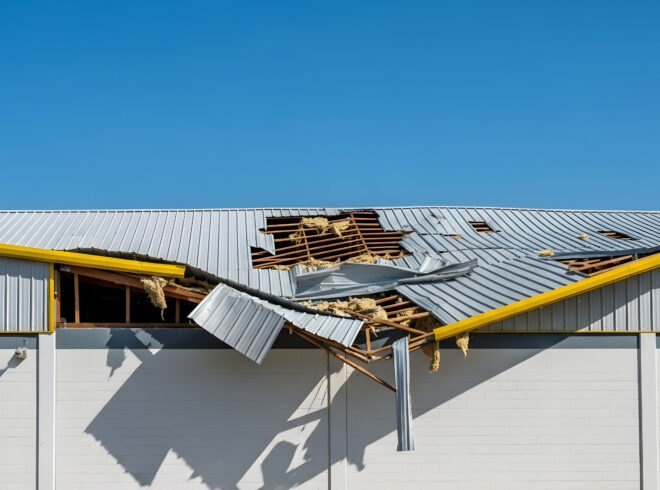
The weather in Texas is unpredictable and extreme. Summer is long, hot, and full of UV exposure. Thunderstorms can produce heavy rain and powerful winds. Many areas see destructive hail every year. So commercial property owners need roofing systems that can accommodate thermal expansion, impact resistance, and moisture protection simultaneously.
We suggest choosing commercial metal roofing for maximum protection. However, the best system for you depends on factors like your building’s design, how much you’re willing to spend, and what you ultimately want to achieve. Let’s explore in this blog below some of the popular roofing systems for commercial properties.
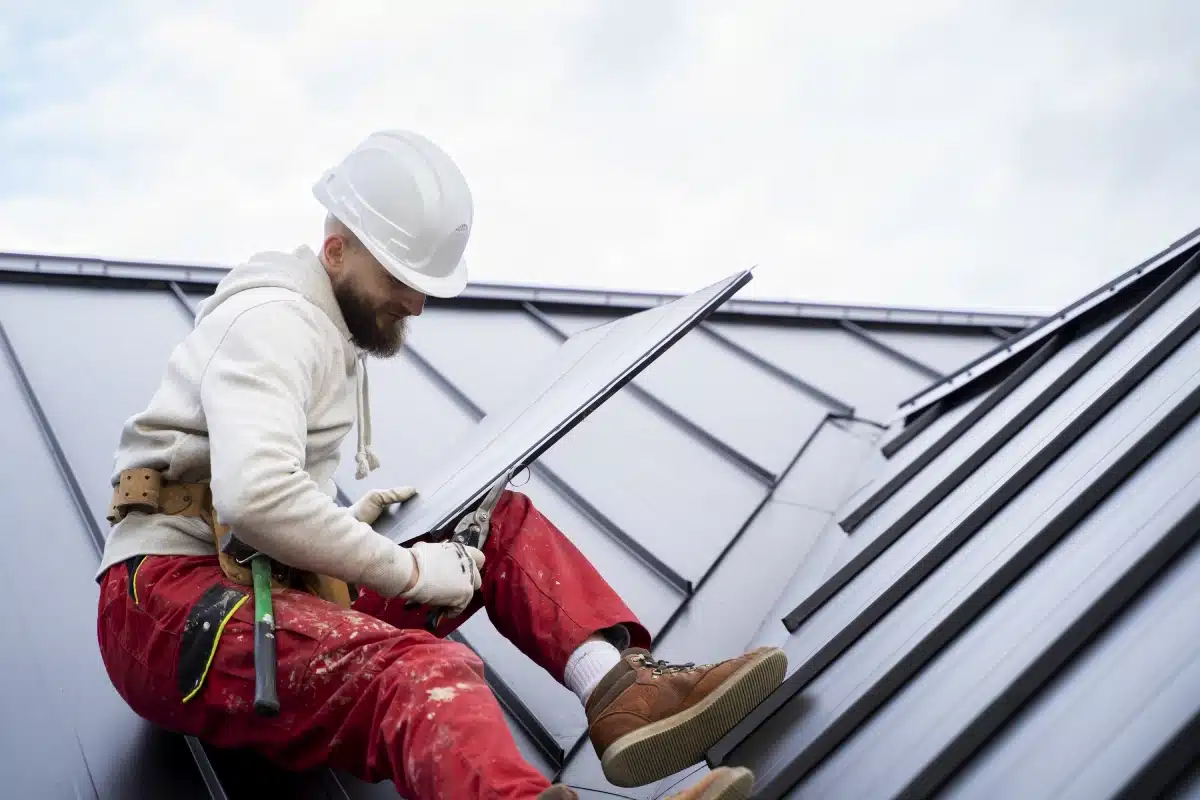
Metal roofing is durable and has a long lifespan. Designed for warehouses, retail centers, schools, and industrial facilities.
In Texas, one of its greatest strengths is resistance to heat. The latter is reflective of solar radiation, especially with a surface coated in metal finishes. This minimizes heat transfer to the inside of the building and assists in reducing cooling costs over extended summers.
Standing seam metal systems do extremely well in storm conditions. The panels lock in place and resist high wind uplift if properly installed. In hailstorms, metal roofs typically suffer only cosmetic dents and almost never structural damage. That makes them a favorite in hail-dominated areas.
With maintenance, metal roofs can last 40 to 70 years. But they come with a more significant upfront investment than many other systems. Installation requires seasoned professionals who understand how Texas heat causes materials to expand and contract.
Modified bitumen is an asphalt-based roofing system for flat or low-slope roofs. Fiberglass or polyester is used for reinforcement.
Modified bitumen excels in Texas heat because it’s flexible, able to expand and contract without cracking. Certain variants include reflective surfacing to enhance energy efficiency.
A modified bitumen roofing system comes with multi-layer protection. This three-layer structure makes them hard to wear and resistant to foot traffic or minor impacts.
Extended usage of UV without proper surfacing can decrease its longevity. Keep up with maintenance and inspections, particularly after storms.
Modified bitumen systems typically last 20 – 30 years.
EPDM (Ethylene Propylene Diene Monomer) is a type of flat commercial roofing membrane made from synthetic rubber.
It’s also valued for its durability and flexibility. It wears hard heat and cold very well, which is a big deal in Texas, where temperatures can change greatly from one season to the next.
EPDM black is a traditional EPDM membrane that can absorb heat. Unless additional insulation is added, that can drive up cooling costs. There are options like White EPDM to boost reflectivity.
EPDM ranks fairly well as a hail-resistant option when compared to any thinner membranes, but similarly to TPO, it can be easily punctured by sharp debris or strong impacts.
An EPDM roof will last between 25 and 30 years when maintained properly.
Built-Up Roofing, commonly referred to as tar and gravel roofing, is one of the oldest commercial roofing systems.
BURs are made up of overlapping layers of asphalt and reinforcing felt, with gravel or reflective coatings on top. That layered design provides strong waterproof protection.
The multiple layers offer strong moisture resistance in Texas storms. The gravel surface also provides protection from hail and UV exposure.
BUR systems are heavier than single-ply membranes, are not as strong, and require an even stronger structural support to hold the heavy layers. Installation can be more time-consuming and labor-intensive.
BUR systems, with adequate care, can last 20 to 30 years or longer.
TPO commercial roofing is one of the most popular materials used for flat and low-slope buildings.
TPO membranes are usually white, which reflects sunlight and lowers rooftop temperatures. TPO is therefore very energy efficient in hot locations like Texas. For large commercial buildings with wide flat roofs, this amount of energy savings can be substantial.
TPO commercial roofing is less expensive than metal roofing and installs quickly. The seams are heat-welded and, when installed correctly, form strong watertight bonds.
Membrane thickness affects hail resistance, however. Say a 60-mil or thicker, 80-mil membrane is recommended for areas prone to impact. Regular inspections are needed to inspect seams and flashing.
And if properly cared for, a TPO roof can last you anywhere from 20-30 years, making it an economical choice for many types of commercial properties.
Metal and TPO are highly reflective of sunlight. When covered with a reflective coating, modified bitumen and BUR also perform well. Black EPDM, in particular, can necessitate extra insulation to control heat absorption.
Metal roofing also has good impact resistance and is usually the most durable for hail. The layered protection of modified bitumen and BUR, TPO, and EPDM can work well, but not if they are too thin or not installed properly.
Resistance to wind is one of the unique features of standing seam metal systems. Single-ply systems such as TPO and EPDM work well when they are mechanically fastened or fully adhered properly.
TPO and EPDMs are usually a cheaper option in the long term. That puts modified bitumen and BUR in the middle range. Commercial metal roofing upfront can be pricier, but it usually offers better long-term value considering its longevity.
The longest service life belongs to metal roofing. With good maintenance, most other systems are 20 to 30 years old.
Struggling to choose the right commercial roofing system for your business? Consult 911 Commercial Roofing today. We are here to help you.


Contact with us through our representative or submit a business inquiry online.
Contact© 2026 911 Commercial Roofing All rights reserved. Designed By 
 972-900-5087
.png) support@911commercialroofing.com
support@911commercialroofing.com