A new coat of paint isn’t enough to keep a commercial roof safe. Commercial roof painting can enhance the roof’s appearance, safeguard exposed surfaces, and prolong its lifespan. But if there are minor errors in the process, the coating’s performance will be impacted and require costly repairs. A well-defined checklist allows businesses to prevent these issues and maximize the return on their roofing investment.
Let’s dive into the full blog below to understand some common mistakes during the commercial roof painting process.
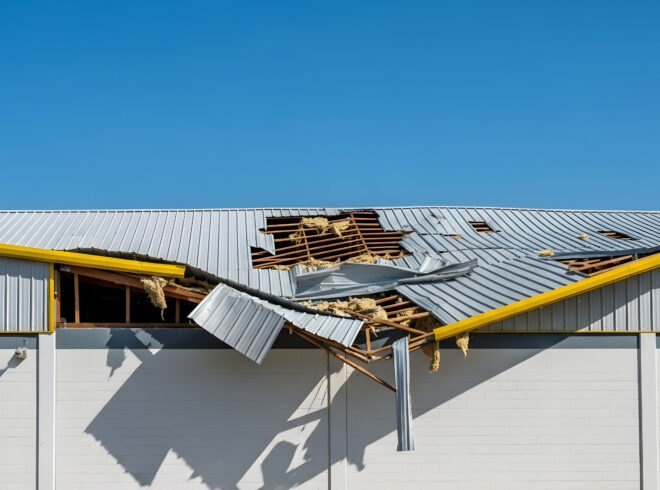
The worst thing you can do is begin painting a commercial roof without first conducting a roof inspection. Before applying a coating, existing leaks, cracks, damaged membranes, rust, loose materials, or drainage issues should be identified.
It is not a solution to the problem to paint over damaged areas. Indeed, it can complicate future repairs. A professional inspection will help to identify if any repairs or further preparation is necessary prior to painting.
Not all roof coatings are suitable for all commercial roofs. Each roofing material has its own requirements, and if the wrong product is used, it may not adhere, crack, peel, or wear.
Prior to commercial roof painting, take into account the roofing material, weather conditions, anticipated foot traffic, exposure to the sun, and moisture conditions. A roofing professional can suggest an ideal coating for the roof and its conditions.
No coating will work well if it is applied on a dirty or damaged surface. Dust, dirt, grease, old loose coatings, algae, and other contaminants can cause the new coating to not bond properly.
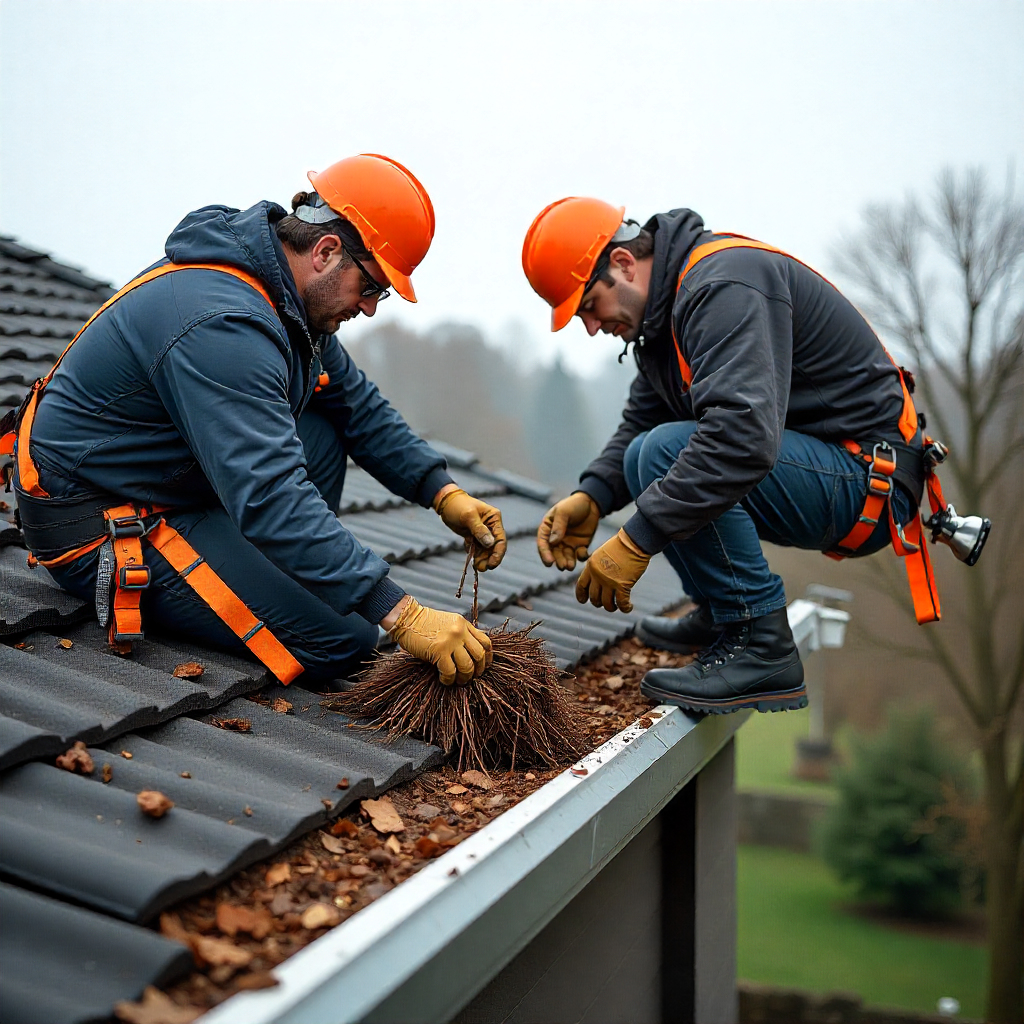
The preparation process could involve cleaning the roof, clearing debris from it, fixing any damaged sections, and letting the surface dry out completely. This is one of the easiest steps to ruin the results of commercial roof painting.
The weather can significantly impact the outcome of a roofing job. The weather can play a significant role in the success of a roofing project. Coating during rain or high humidity, or high or low temperatures outside the recommended range, may affect curing and adhesion.
Weather and product requirements should be checked prior to scheduling a commercial roof painting. Allowing sufficient curing time helps to minimize bubbling, peeling, and uneven coverage.
Applying too little coating can result in areas of the roof being uncoated. However, too much can cause issues, such as slow curing and uneven surfaces.
Experts apply at the manufacturer’s recommended rate and apply with appropriate equipment for uniform application. Depending on the coating system and roof condition, several coats may be necessary.
Seams, flashing, penetrations, vents, and edges are areas that need special attention when painting a roof. Failure to block drainage points or properly treat these areas can result in water-related issues in the future.
A good checklist should cover all important aspects of the roof, not just large open areas. Properly done work in these areas allows the coating system to function as designed.
Also Read: Step-by-Step Process of Commercial Roof Repair for Buildings in Dallas, TX
Once a commercial roof painting project is done, the roof is not done. Periodic inspections will enable the detection of peeling, cracking, drainage problems, ponding water, and other deterioration symptoms before they become a serious problem.
Maintaining drainage systems and cleaning the roof can also help the coating to last longer. Maintenance is a key component to the protection of the roofing investment.
The key to a successful commercial roof painting project is far more than just painting the roof. All of these are of great importance in proper inspection, preparation, product selection, weather planning, application, and maintenance. By steering clear of typical pitfalls, businesses can ensure they get a long-lasting result and keep their roofing investment safe.
Get in Touch With Us for Commercial Roof Painting
Commercial roof painting can be a valuable component of a commercial roof maintenance program. Hiring an experienced roofing professional guarantees proper preparation, materials, and attention to the project.
Trust 911 Commercial Roofing to safeguard your business property. Call us today and discuss your roof painting requirements.


Contact with us through our representative or submit a business inquiry online.
Contact© 2026 911 Commercial Roofing All rights reserved. Designed By 
 972-900-5087
.png) support@911commercialroofing.com
support@911commercialroofing.com