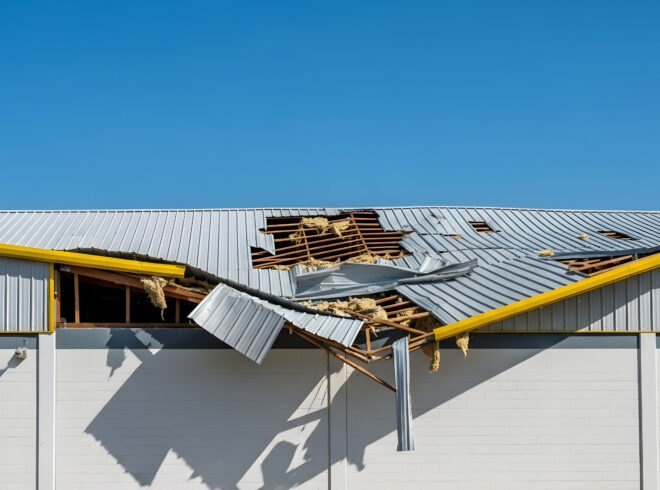
Commercial roofs shield buildings from rain, wind, and moisture; rooftop penetrations provide opportunities for water intrusion. Mechanical systems such as HVAC units, pipes, vents, and conduits, as well as skylights or other equipment, penetrate the roof surface and must be properly waterproofed.
Install flashing and drainage whenever needed to avoid leaks around these penetrations, and inspect regularly and perform maintenance as necessary. This blog discusses some tips to avoid roof leaks around HVAC units, pipes, vents, and other penetrations.
Check Equipment Bases- Check HVAC units, which are some of the most critical systems to inspect since they have curbs that attach mechanical equipment directly to the roofing system.
Flashing separation, poor membrane connections, or sealants around the curb can lead to HVAC roof curb leaks. Water can get in around the equipment and run under the roof system before breaking into the building.
Inspect these areas for punctures, loose materials, exposed fasteners, and damaged flashing after any new HVAC installation, replacement, or major servicing.
Inspect Small Openings- Small penetrations often get missed during regular roof inspections. You must also frequently inspect plumbing vents, exhaust pipes, electrical lines, and other forms of entry.
Rusted pipe boots, cracked flashing, loose collars, and gaps between materials can lead to roof leaks around the vent pipe. Because these openings are vulnerable to fluctuations in temperature and weather, their protective components can wear down over time.
Check for cracks, gaps, movement, and corrosion around each penetration. Quick repairs can keep moisture from penetrating further into the roof system.
Protect Critical Edges- Flashing redirects water and attaches different roof components. When flashing wears out or gets cracked, corroded, or pops from the membrane, water can come in under it.
Failure of commercial roof flashing can happen around walls, in HVAC curbs, and in line with vents and pipes coming through the roof. By inspecting these places regularly, you will notice if something deteriorates before the water reaches inside the building.
Flashing should be compatible with the roof system and well installed. Simply put, applying surface sealant on problematic flashing works at best as a bandage.
Create Watertight Connections- Seal rooftop equipment the right way, not just by caulking the visible spaces. The sealing method should accommodate roofing material, equipment configuration, and movement expected at the penetration location.
Check for cracking or separation of seals around HVAC units, vents, conduits, pipe penetrations, and equipment supports. Repairs must take place in a way that proper preparation is conducted instead of covering up old material with another layer in areas where sealants have deteriorated.
This can involve everything from resealing a penetration to flashing repair, membrane repair, or even more extensive work, best decided by a trained professional.
Prevent Standing Water- Water that cannot efficiently drain adds increased stress around rooftop penetrations. Dirt, leaves, branches, and other debris can clog drains and keep standing water near HVAC units and flashing.
Drainage areas: Inspections of drains, scuppers, gutters, and drainage paths. Especially behind rooftop equipment, where animal nesting debris and water can collect without you knowing.
A well-designed drainage system helps prevent moisture from lingering in areas that threaten the vulnerable flashing, seams, and penetration details.
Avoid Unnecessary Damage- HVAC technicians and other maintenance workers might need to access the roof frequently. Membranes can be damaged by dropping tools, screws, and replacement parts, as well as heavy equipment.
Walk on designated walkways where available and do not drag equipment across the roof. Check for punctures, loose material, dropped fasteners, or damaged flashing after maintenance work.
A record of work on the roof can even be useful for pinpointing new penetrations or repairs.
Trace Water Carefully- Ceiling stains don’t necessarily reflect the point of actual water entry into a roof surface. Moisture can seep through insulation and seams, as well as other building materials, to get inside.
If an investigation occurs for commercial roof penetration leaks, investigators should also examine surrounding areas away from visible damage. This includes nearby curbs, vents, pipes, flashing, seams, and drainage paths or historical repairs.
Preventing leaks and unnecessary repairs by locating the real point of entry (not just treating an apparent stain.
Also Read: Emergency Roof Leak Repair: When to Call a Commercial Roofer
Prevent leaks at HVAC units, pipes, vents, and other penetrations that demand more from the roof system. Water entering those vulnerable areas can be avoided with proper flashing, effective sealing, good drainage, and careful maintenance.
However, delays in inspecting leaks may only allow you to find the real source of a leak until significant water damage prevents it from being seen, potentially leading to a need for roof repair and repair work.
Do not wait for a small problem to end up being an expensive issue. 911 Commercial Roofing provides a risk assessment at vulnerable points and verifies defective flashing and penetration details to ensure they are dealt with before leaks cause more extensive problems. Contact 911 Commercial Roofing for a professional commercial roof inspection today.


Contact with us through our representative or submit a business inquiry online.
Contact© 2026 911 Commercial Roofing All rights reserved. Designed By 
 972-900-5087
.png) support@911commercialroofing.com
support@911commercialroofing.com