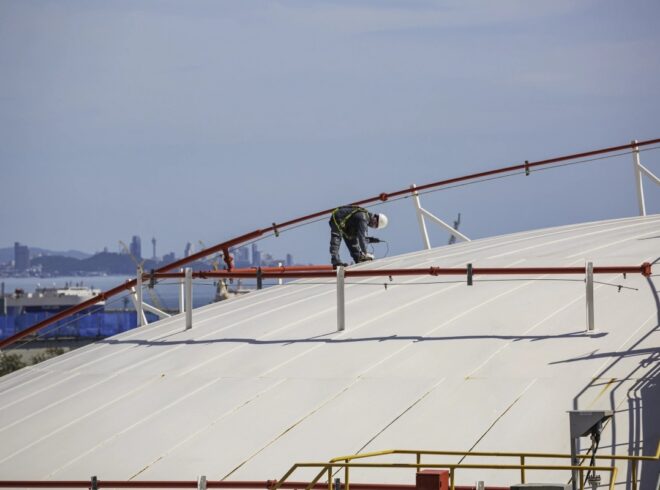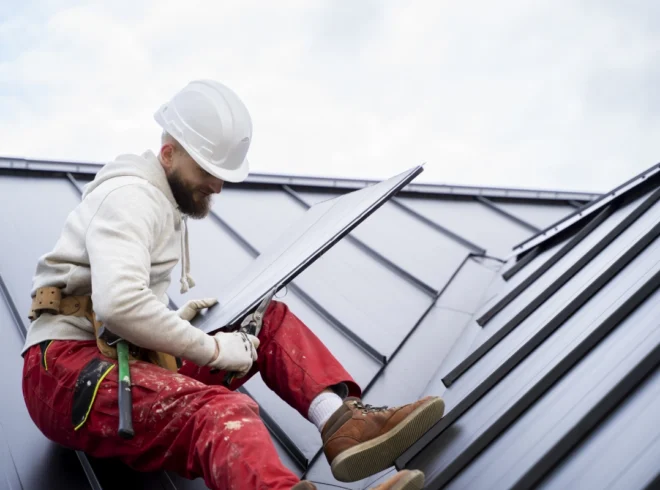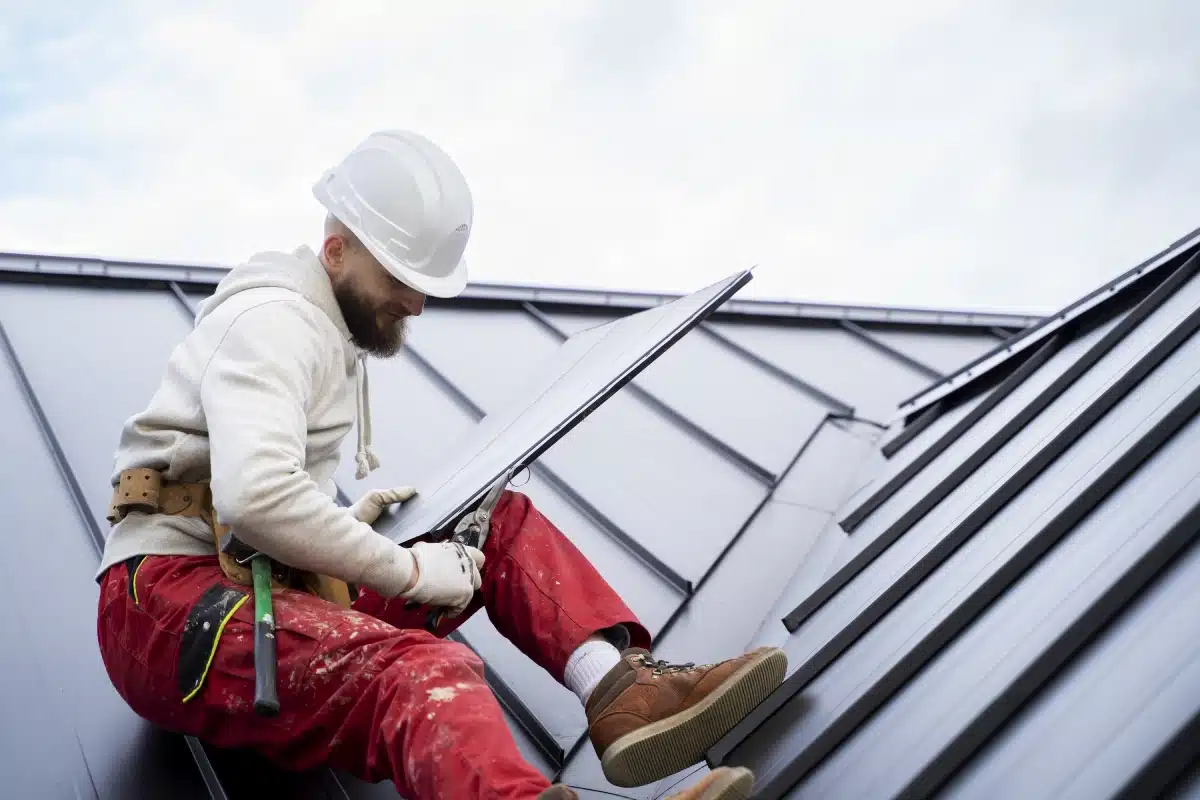
Texas commercial roofs handle extreme sun exposure, heat, flash storms, heavy rains, and seasonal hail. Single-ply roofing materials include TPO, PVC, and EPDM, each with its own unique properties. The choice among TPO vs PVC vs EPDM depends on your building and budget.
Single-ply roofing involves installing a flexible membrane on the commercial roof surface to provide a weather-tight roof. Installation, drainage, insulation, and workmanship affect performance.
Thermoplastic polyolefin (TPO), polyvinyl chloride (PVC), and ethylene propylene diene monomer (EPDM) are the primary choices. It depends on the building conditions and use.
The reflective surface and welded seams make TPO a popular material for commercial buildings. It is light in color, which reflects sunlight and minimize heat absorption.
TPO is a competitive product in terms of price and is attractive to the owner who is concerned about performance and initial cost. Products, however, come in different formulations and manufacturers, so the quality of the membrane and installation skills are important. Commercial TPO roofing services should include checking for punctures, seam problems, and storm damage. Ideal for: Office, retail buildings, warehouses and other applications where reflectivity and value are important.
Another heat-welded membrane is PVC. It is known to have a high seam strength and resistance to many chemicals, grease, oils, and materials that can impact roofing materials. This can be a viable solution for restaurants, food-service establishments, and buildings where rooftop exhaust exposure to grease or chemicals can occur.
It is typically more expensive than TPO or EPDM, but in certain applications, the resistance to chemicals may outweigh the cost. A professional evaluation can be used to find out if PVC’s added protection is worth it. Ideal for: Restaurants, commercial kitchens, and places where grease or chemicals are present.
EPDM is a synthetic rubber membrane that is highly flexible and has long been used on commercial roofs. It is available in black, which absorbs more heat than a reflective white membrane. Confirm any white EPDM product’s performance with a professional.
Seams are often not heat-welded and must be carefully prepared and installed with adhesive or special seam tape. While the cost of EPDM can be lower than some other roofing materials, the overall cost will vary based on roof size, insulation, attachment method, and labor. Ideal for: Flexibility, established performance, and upfront value are important in buildings where heat performance is appropriate to the building.
When deciding between TPO vs PVC vs EPDM roofing, consider more than the cost of the membrane. TPO provides reflective performance and value. PVC provides resistance to grease and some chemicals that may be required for certain operations. EPDM is flexible and offers a proven rubber membrane option, but it absorbs heat faster than traditional black EPDM.
There is no hail-proof, standing-water-proof, installation-proof, or maintenance-proof membrane. Before making a decision, consult a professional commercial roofing company and review their warranties, maintenance requirements, insulation, and site conditions.
Begin with the use of your building. PVC can be used on a restaurant roof where it is exposed to grease, and reflective TPO can be used on a large warehouse. EPDM can be acceptable when flexibility and cost are the main considerations. Evaluate energy objectives, roof condition, drainage, foot traffic, rooftop equipment, and exposure to the elements.
Ask for a comprehensive proposal including membrane type and thickness, insulation, installation, flashing, warranty, and maintenance suggestions. Compare TPO vs PVC vs EPDM roofing and the full installed system—not the price of the material. Consider the time frame for the building’s ownership and the need to install around business operations. The lower price might not be the most beneficial over time if the roof requires more maintenance or is not conducive to its exposure. Inquire about changes in materials or equipment for repairs.
Also Read: Commercial Roof Maintenance Checklist: Preventative Steps to Extend Roof Life
No single membrane is the best choice for all Texas commercial buildings. TPO can be a combination of reflectivity and value, PVC can have a higher price tag if chemical or grease resistance is important, and EPDM is still a good choice for flexibility. When you compare TPO vs PVC vs EPDM roofing with a professional, you will be able to consider their performance, installation, maintenance, and ownership costs before you make the final decision.
Trust Us for Reliable Roofing Solutions
Looking for the right commercial roofing system? Call 911 Commercial Roofing to discuss your building’s requirements and schedule a roof assessment. Our roofers will help you choose a roofing system that suits your property, budget, and plans for years to come.
Contact with us through our representative or submit a business inquiry online.
Contact© 2026 911 Commercial Roofing All rights reserved. Designed By 
 972-900-5087
 support@911commercialroofing.com