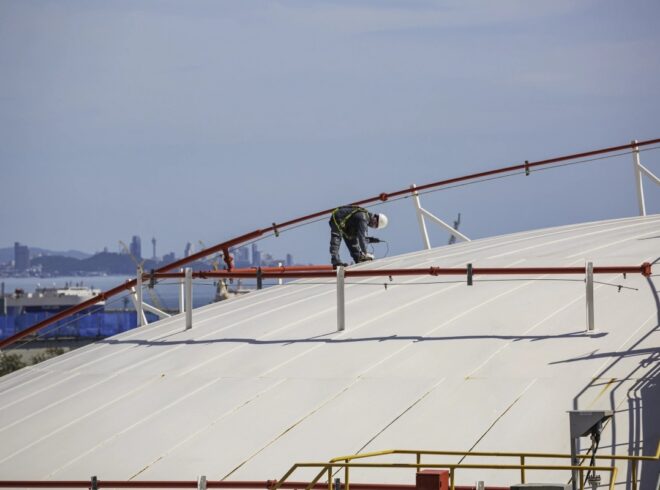
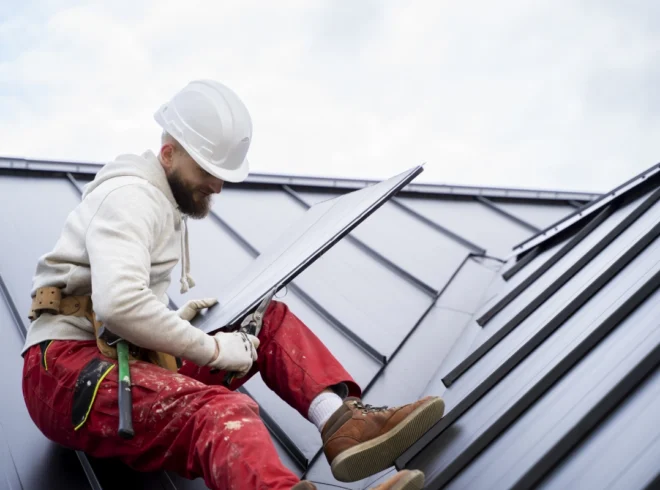
Commercial roofs are exposed to the sun, rain, wind, and temperature fluctuations regularly. These can lead to cracks, leaks, and expensive damage over time. There are two main methods of protecting commercial roofs: roof coatings and waterproofing. While both control moisture, they are used for different purposes. Knowing roof coating vs. waterproofing allows building owners to select the appropriate solution.
A commercial roof coating is a coating that is applied to an existing roofing surface. It protects the roof from ultraviolet rays, moisture, and weather damage. Roof coatings are commonly used on flat and low-slope commercial buildings.
Plastic coatings such as silicone, acrylic, and polyurethane are popular choices. Silicone is good for standing water areas, and acrylic reflects sunlight and aids in heat reduction. Depending on formulation, polyurethane has good impact and foot traffic resistance.
Roof coatings can be used to prolong the useful life of an existing roof that is appropriate for the application. The roof should be properly inspected, cleaned, and repaired before application, however. Major structural damage and serious drainage problems cannot be corrected with coatings.
Commercial roof waterproofing involves creating a barrier that prevents water from entering the building through the roof. It helps prevent moisture damage to roofing materials, insulation, and interior spaces.
There are three types of waterproofing solutions: liquid-applied membranes, sheet membranes, and special sealants. They are especially valuable for flat roofs, rooftop equipment areas, and where water accumulates around seams, drains, and joints.
The amount of preparation, roof installation, repairs to the flashing, and reinforcement of weak points will vary depending on the condition of the roof. The intent is to exclude water and keep the roofing system intact.
Knowing the difference between these solutions can help you choose the one that’s best for your commercial property.
1. Primary Purpose
Roof coatings help to shield the existing roofing surface from sun, weather, and deterioration over time. Properly applied and detailed, some products also offer waterproofing.
The primary objective of waterproofing systems is to exclude water from entering the roof assembly and any vulnerable seams, joints, and transitions.
2. Installation Process
Roof coatings are typically applied to an existing roof that is in good condition. Contractors prepare the surface for cleaning, repair defects, apply a compatible primer as needed, and apply the coating following the manufacturer’s instructions.
Waterproofing can include repairing damaged membranes, sealing joints, replacing damaged materials, or applying a new waterproof barrier. The process is dependent on the amount of damage.
3. Durability and Performance
Both solutions can be used for long-term protection if they are properly chosen and applied. Their performance is determined by the quality of material, installation standards, exposure to weather conditions, drainage, and regular maintenance.
The roof coating can prolong the life of an existing roofing system, and a proper waterproofing membrane will protect against water intrusion. Neither eliminates the need for routine inspections.
4. Cost Considerations
Roof coatings may be cost-effective if the roof is structurally sound and requires protection. They can also minimize waste and disruption as opposed to roof replacement.
The price of waterproofing depends on the type of material used, access to the roof, preparation, and repair needs. A full waterproofing system can be more expensive, but may be necessary if leaks are a significant concern.
The first step to determining roof coating vs. waterproofing is to have a professional roof inspection. The right solution will depend on the condition of the roof, what materials are already in place, the roof’s drainage, and moisture exposure.
If your roof is in good condition and requires protection from weather elements and UV damage, a roof coating might be appropriate. For compatible metal, modified bitumen, and other commercial roofing systems, an appropriate coating may be beneficial.
Where frequent leaks, exposed seams, or compromised roofing materials necessitate a specific moisture barrier, waterproofing might be more appropriate. If the water has caused any issues with the insulation or roof structure, then these will need to be resolved prior to installing a new system. Sometimes, it is best to incorporate the required repairs, waterproofing information, and an appropriate coating. A roofing contractor that is qualified in commercial roofing can suggest a solution that is suited to the roofing needs.
Also Read: Understanding the Purpose of Commercial Roof Coating in Dallas Buildings
It is important for commercial roof owners to know the difference between roof coating and waterproofing so they can make informed decisions. A coating can be used on existing roofs to extend their lifespan, and waterproofing systems protect from water infiltration. The right choice depends on the roof condition, material compatibility, and moisture exposure. Professional guidance helps avoid damage and improve roof performance over time.
Trust Us to Protect Your Commercial Roof
Want to know which roof coating or waterproofing is the right choice for you? 911 Commercial Roofing can evaluate your roof and suggest a roof solution that is ideal for your building. Call us today to talk about your commercial roofing needs and safeguard your property against weather damage.
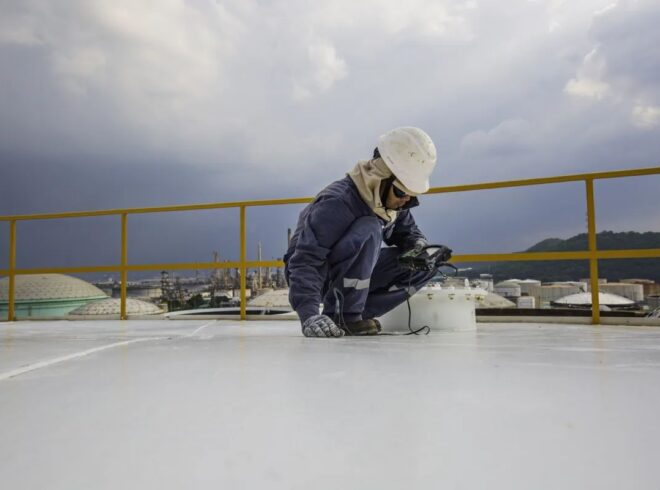
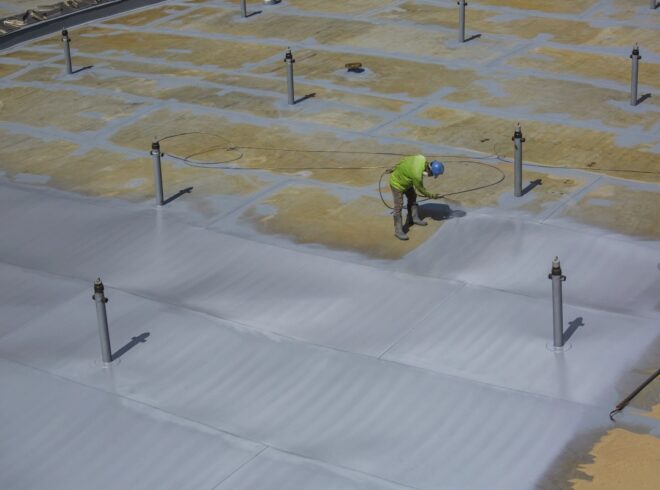
Contact with us through our representative or submit a business inquiry online.
Contact© 2026 911 Commercial Roofing All rights reserved. Designed By 
 972-900-5087
 support@911commercialroofing.com