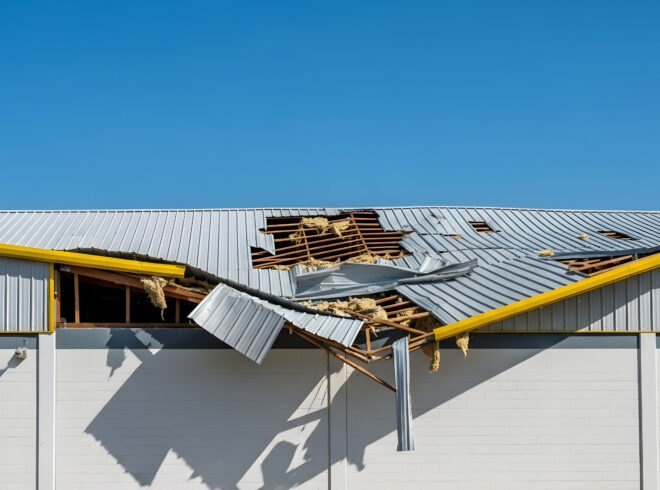
One of the most valuable assets of any business property is a commercial roof, which is usually ignored until a problem arises. Leaks, drainage problems or structural wear may interfere with the operations and cost a lot to fix, unless it is resolved at an early stage. These setbacks can be prevented by a proactive strategy, which ensures that your building is safe throughout the year. By adhering to a predetermined commercial roof maintenance checklist the property owner and facility manager can anticipate the problems and prolong the life of their roofing system.
Frequent inspection and proper maintenance are not only effective to avoid damage. They are also more efficient in terms of energy consumption, warranty compliance, and long-term property protection. The following is a practical guide to preventative measures that should be taken by every owner of a commercial building.
Maintenance of roofs is mandatory since commercial roofing systems have to endure constant pressure due to weather, temperature fluctuations as well as foot traffic. Even minor issues such as loose flashing or clogged drains can be silently aggravated with time. These problems can cause water intrusion, insulation damage and interior repairs which impact normal business processes without regular attention.
Commercial roofing is one of the aspects in which property owners can invest to have fewer emergencies and reduce costs in the long term. Regular maintenance helps to make sure that the problems that may arise are detected at the earliest and can be addressed easily and at a lower cost.
Scheduling regular inspections is one of the most significant processes in any maintenance plan. The commercial roofs are expected to undergo at least two inspections annually and usually during spring and fall. Post storm or extreme weather after inspections are also advised.
An expert commercial roof maintenance contractor would understand how to detect concealed signs of wear that would not be evident at ground level. These specialists examine the damages of membranes, loose seams, worsening flashing, and initial leaks indicators. Routine maintenance offers a record which may be useful in insurance claims and breach of warranties.
Also Read: Why Roof Inspections Are Critical Before the Texas Winter Season
The accumulation of debris is a major cause of roofing problems. Branches, dirt and trash may obstruct the drainage systems and lead to stagnant water. Ponding water increases the weight of the roof and increases the deterioration of materials.
The roof surface and drainage components ought to be maintained clean during the year as a part of commercial roof preventative maintenance. Removing debris in drainage systems, gutters, and scuppers enables the water to flow as it should, and it minimizes the chances of leakages and stress on the building.
Drainage systems are very important in safeguarding a commercial roof. Water may stagnate and leak into the susceptible spots when the drains or downspouts are blocked. This moisture may ruin insulation, decking and interiors over time.
Preventive checks should involve checking of the drains by observing whether they are clogged or corroded or whether they have the right slope. Early drainage consideration is one of the most important aspects of preventative maintenance for commercial roof systems, which are aimed at avoiding damage caused by water before it becomes serious.
The typical areas of failure in commercial roofs are flashing and seams. Such locations are located by HVAC units, vents, skylights, and roof edges. Temperature variations can lead to movement that will result in the loosening or cracking of the materials.
These are some of the areas that should be checked on a routine basis so as to make sure they are well sealed. Lots of problems that have been observed during local commercial roofing maintenance inspection include flashing that has become separated or worn out. Timely repairs are useful in preserving a water tight barrier and overall integrity of the roof.
Little issues cannot be disregarded. Small holes, cracks and detachable parts will soon cause bigger problems unless they are fixed. Timely intervention can be used to avoid water intrusion and structural damage.
Having a good, reliable commercial roof repair contractor in place makes sure that the repair work is done in the right material and method. Small repairs can be addressed at an early stage and usually this can save the future major restoration or replacement.
Maintaining detailed maintenance records is a neglected yet very crucial thing. Documentation offers evidence that the roof has been well maintained, this may be vital in warranty claims and insurance cover.
The maintenance log must contain the dates of inspection, results, repairs done, and photos where feasible. This systematic process contributes to the long-term commercial roof preventive maintenance strategies and assists the property owners to monitor the conditions of the roof over the years
Each season presents commercial roofs with different problems. Freeze-thaw can damage the material in winter and heat in summer can speed up the aging of the material. Your roof should be ready to such changes and seasonal planning will do this.
Spring and autumn are the best periods to deal with wear due to change in temperature. This is a preventative maintenance strategy that is in line with the best practice in upkeep of commercial roof systems and eliminates the chances of seasonal damages.
Not every roofing problem can and must be addressed in-house. Working with experienced professionals gives an opportunity to relax and makes sure that the maintenance is done properly. Roofing specialists possess the equipment and expertise to assess the situation with the roof and suggest the necessary solutions.
A good maintenance provider assists in the use of a stable commercial roof maintenance checklist so that nothing is left behind and your roof is in the best state every year
A properly-kept business roof is covering your building, your business, and your money. It is always cheaper to use preventive care than to fix the emergency or replace it before the end of its usefulness. With the help of a systematic commercial roof-maintenance checklist and collaboration with reliable specialists, you may prolong the existence of your roof and minimize the number of unexpected inconveniences.
Regular service, maintenance and repairs and professional assistance are the pillars of an effective maintenance plan. With proper care and the appropriate plan, your business roof can remain to be dependable over several years to come.


Contact with us through our representative or submit a business inquiry online.
Contact© 2026 911 Commercial Roofing All rights reserved. Designed By 
 972-900-5087
.png) support@911commercialroofing.com
support@911commercialroofing.com