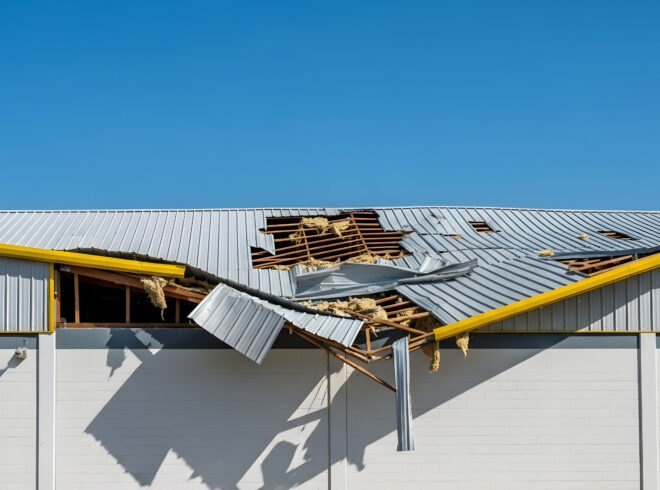
There are numerous duties involved in the management of a commercial property and one of the most crucial is the roof maintenance. A roof that is well maintained secures the tenants, inventory and the general structure of the building itself. Periodical inspections are used to identify minor problems before they become costly repairs or disruptive massive problems. With a clear commercial roofing inspection checklist, this task would be more organized and effective to property managers.
The following is a step-by-step guide that is easy to follow and lists what one should be aware of during a commercial roof inspection and the reason behind the importance of each step.
Commercial roofs are in a constant exposure to weather, temperature variations and daily wear. As time passes, any minor damage may cause leakages, insulation issues, or structural issues. The frequent inspections assist in prolonging the roof life span, minimize emergency repair expenses and aid in long-term budgeting. The property managers use regular commercial roof inspection procedures in order to remain in compliance with warranties and insurance requirements as well as safeguarding tenants.
The initial procedure in the inspection process is taking a look at the roof surface. Inspect the roofing material in search of cracks, blisters, punctures or places where the roofing material seems to be worn or loose. Flat roofs must be examined by means of ponding water, which can weaken materials and cause leakages. When uneven wear or observable damage is present on the surface, then it might be time to book the services of a commercial roof inspector to provide a more thorough inspection.
The critical points where the problems tend to develop are seams and membranes. Check all seams to ensure that they are not separated, raised or deteriorated. The membranes must be firmly fixed and not torn. Even minor problems in these sections may result in moisture penetrating into the building causing insulation destruction and moulds when not taken care of.
The flashing is used to cover corners where the roof intersects walls, vents, skylights, or HVAC units. The most typical cause of leaks is damaged or improperly sealed flashing. In the course of an inspection, make sure that flashing is whole, well sealed, and not corroded. The roof penetration must be tied down and there should not be any movement or gap at the bottom. These areas are prone to leakage and a professional commercial roof examination usually involves careful examinations of these weak points.
Water accumulation should be avoided by ensuring that there is proper drainage. Look at the check drains and gutters and downspouts to check that there is no debris, blockages, or rust. Stagnant water increases the weight of the roof and hastens the decomposition of the materials. Cleaning and inspection of drainage systems are regular items on any commercial roofing checklist of inspection.
Issues with roofs tend to manifest themselves internally within the building but not externally. Check the ceilings, walls and attic areas to see whether there are water stains, peeling paint or musty smell. Such indications can be used to identify concealed leaks. Early response to them through a comprehensive commercial roof check up would save the expensive interior repairs.
Insulation is significant in controlling energy and moisture. In an inspection, you can look at inspection of wet or compressed insulation, which may lower the performance and raise the cost of energy. The decking and other structural elements should also be examined whether they are sagging or rotten. These problems frequently involve the use of commercial roof inspection services to determine the level of the damage.
Also Read: Why Roof Inspections Are Critical Before the Texas Winter Season
Commercial roof can be affected considerably by weather conditions such as heavy rains, hail, wind, and snow. It is prudent to have an inspection after the occurrence of major storms though at first glance there may be no apparent damage. Seasonal checks assist in detecting problems due to variation in temperature like expansion or contraction of materials. To ensure they are ahead of weather related issues, many property managers have professional commercial roof inspection at least twice a year.
The roof inspections should be done with safety as the first priority. Make sure that the people who go to the roof adhere to the correct safety measures and wear the necessary equipment. In other instances, local laws or insurance policies might demand the use of authorised personnel to conduct inspections. It is one more argument why it can be good to work with specialists who can provide commercial roof inspection services.
It is equally important to maintain a detailed record of inspections as it is to the inspection. Find documents and capture photographs and record suggested repairs. This data is useful in monitoring the condition of the roof in the long run and also in claims of warranty in case of necessity. A regular inspection schedule with a well-defined commercial roofing inspection checklist will enable the property managers to organize ahead of time rather than responding to a crisis.
Although simple visual inspection can be performed internally, there are certain problems which need professional knowledge. When you see the same leakage problem, a lot of surface damage, or an issue with the structure, then you need to hire a professional to inspect the roof in a commercial place. The specialized tools and knowledge are used by experienced inspectors to detect issues that cannot be detected by the untrained eye.
A commercial roof is a long term investment which should be attended to periodically. A formal checklist will aid in making sure that no important detail is missed. Surface condition and drainage, insulation, and interior signs are just some of the steps that are involved in the protection of the building and its inhabitants.
With the help of a regular inspection schedule and the cooperation with credible commercial roof inspection services, property managers are able to minimize the unforeseen costs related to repairs, increase the service life of the roof, and preserve a secure and efficient property. Commercial roof inspection is a smart strategy and not merely maintenance.


Contact with us through our representative or submit a business inquiry online.
Contact© 2026 911 Commercial Roofing All rights reserved. Designed By 
 972-900-5087
.png) support@911commercialroofing.com
support@911commercialroofing.com