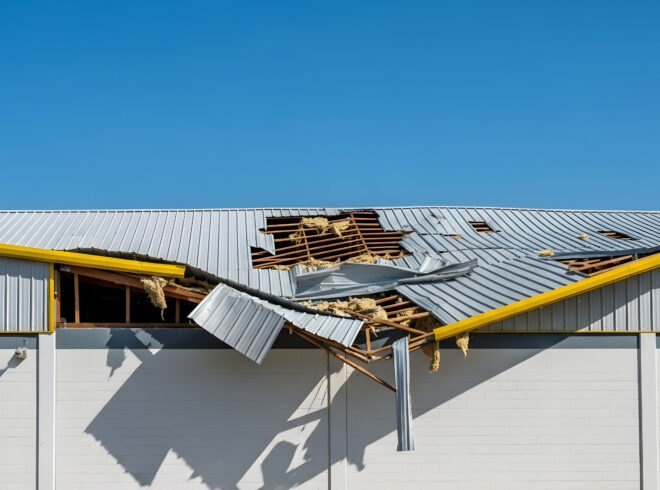
Energy efficiency is a major issue for all business owners. Heating and cooling can be a major share of the energy consumption in a building, and an old or poorly designed roof can contribute to this cost. A new commercial roof installation can not only keep your building dry and safe during the rainy season and in the event of a storm, but it can also help to control the interior temperature, minimize HVAC strain, and contribute to longer-term energy savings.
Selecting the appropriate roofing materials and installation method can help businesses create a more comfortable and energy-efficient work environment, and may even help to reduce operating costs.
Your commercial roof is an important component of your building’s thermal envelope. When the roof is poorly insulated, the roof membranes are damaged, there are air leaks or poor ventilation, and outdoor temperatures can affect indoor temperatures more.
In summer, the heat absorbed by the roof can be transferred to the building, which can lead to increased workload for the air-conditioning systems. During the winter, inadequate insulation can cause the loss of warm air inside. This extra HVAC use can cause utility costs to rise and equipment wear over time.
When installed correctly, a new commercial roof installation can solve these issues through the use of quality roofing materials, installation practices, and insulation. This can lead to improved temperature control in the building.
Today’s commercial roofing systems can be built up with high-performance insulation that minimizes heat transfer. Good insulation keeps the inside of the building warmer or cooler, so that less energy is used for heating or cooling.
The surface of a roof is the key element in controlling solar heat. Cool roof or reflective roofing materials can reflect rather than absorb sunlight. This can help to maintain the roof surface temperature lower in hot weather and lower the cooling load within the building.
Choosing the appropriate roof surface material for a new commercial roof installation in warm climates can have a significant impact on building energy performance.
Consistent indoor temperature control with the roof can reduce the frequency and intensity of HVAC operations. Reducing demand can also lead to lower energy use and could help prolong the service life of heating and cooling systems.
Poorly sealed roof penetrations, gaps, and cracks can cause unwanted air movement. When installing a new commercial roof, the contractors can appropriately address areas of vulnerability such as flashing, penetrations, seams and more. Improved air sealing contributes to more uniform indoor environments and energy conservation.
An energy-efficient roof should last for many years. By using high-quality materials, ensuring adequate drainage, and hiring professionals for installation, early deterioration can be avoided. An energy-efficient new commercial roof installation can then help to protect the building for years and years.
Also Read: Avoid Costly Mistakes in Commercial Roof Installation
The energy needs of commercial buildings differ from one another. Roofing decisions can be affected by the building’s size, local climate, current insulation, HVAC system design, roof slope, and the type of business that is taking place inside the building.
Prior to a new commercial roof installation, the property owner should consider the building’s existing energy performance, ventilation, drainage, roof reflectivity, and insulation needs. An experienced commercial roofing contractor can help ensure that the roof system chosen is suitable for the property.
Your commercial roof is directly linked to your building’s comfort and energy consumption. Outdated roofing could lead to heat gain, heat loss, air leakage, and higher HVAC usage. A new and well-insulated roofing system can contribute to an efficient building envelope.
When a professional new commercial roof installation occurs, the property owner has the chance to upgrade insulation, choose materials that will be energy efficient, fix problem areas, and create a roof that will perform well.
Want to improve the energy efficiency of your property? 911 Commercial Roofing is here to assess your existing roof and suggest whether a new commercial roof installation is a wise investment for your building. Call us today to discuss your roofing needs and take the next step toward a more efficient, comfortable, and reliable commercial property.


Contact with us through our representative or submit a business inquiry online.
Contact© 2026 911 Commercial Roofing All rights reserved. Designed By 
 972-900-5087
.png) support@911commercialroofing.com
support@911commercialroofing.com