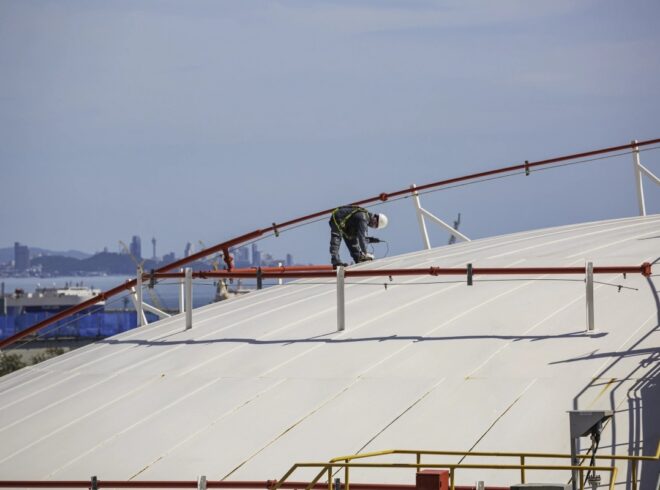
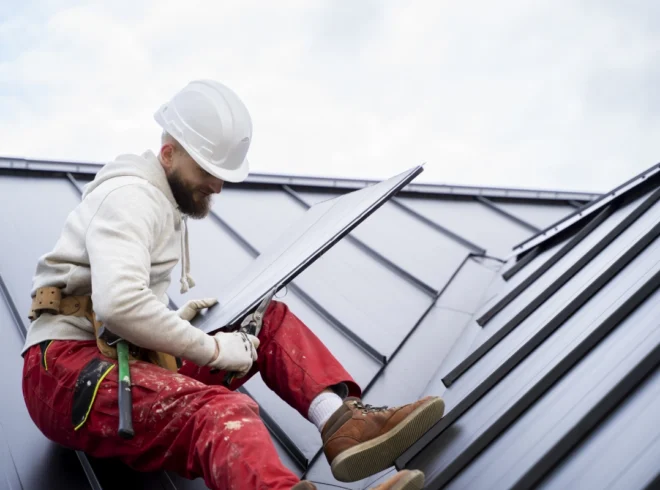
Commercial roof coatings can extend a roof’s lifespan and enhance its weather protection. However, silicone, acrylic, and polyurethane roof coatings have unique properties. The right choice depends on the roof’s condition, drainage, climate, and use.
Texas commercial building roofs can be stressed by extreme sun, rain, and temperature fluctuations. Comparing silicone vs. acrylic roof coating options with polyurethane helps property owners decide based on performance, not price.
Silicone coatings are waterproof and will not allow water to pool or stand after rain, and can be used on roofs that are structurally sound and appropriate for the roof surface. Silicone is also very resistant to UV exposure when exposed directly to sunlight.
Silicone is flexible when roofs move normally and can be used on many low-slope roofs. Silicone may, however, collect dirt over time, which can diminish reflectivity. It may also be slippery if wet. It requires proper preparation and maintenance.
Acrylic coatings are water-based and have a relatively low initial price tag, while also offering a reflective finish. They reflect sunlight, which decreases the amount of heat absorbed at the roof surface. This makes commercial roof coatings with an acrylic finish a practical option for helping maintain indoor thermal comfort and reduce cooling loads in hot climates. Roofs with positive drainage and little standing water are typically suitable for acrylic coatings. They also offer a shiny, clean appearance.
The main problem with it is that the ponding water can soften or damage the coating when it stays there for too long. Acrylic is thus typically not the preferred roof material for roofs that struggle with chronic drainage issues. Extreme weather conditions can also add to maintenance requirements.
Polyurethane coatings are tough and resistant to impact, abrasion, and foot traffic. They can be an ideal choice for commercial roofs where equipment is installed or where service routes or regular maintenance activity are present. In certain systems, a polyurethane base coat is used with another topcoat for added weather resistance.
There are various types of polyurethanes. Aliphatic polyurethane may provide greater resistance to surface degradation and colour change caused by the sun’s rays, whereas aromatic polyurethane is often used as a base layer. The right system is dependent on the roof. Polyurethane can be pricier than acrylic and needs to be applied with care. Select it to meet the requirements of the roof.
When choosing silicone vs acrylic roof coating, take into account how water flows on your roof. Silicone tends to be more effective when ponding water is an issue. For roofs that are properly draining and require a reflective surface, acrylic is often more economical. Polyurethane is a clear choice when resistance to wear and tear is critical.
Take these into account first:
Inspections will help to see if problems are with the roof and can be fixed or if it needs to be replaced.
No one roof is the best for all commercial buildings. Either silicone or acrylic might be appropriate for a low-slope roof with ponding water and high exposure to sunlight. Polyurethane is probably best for high-traffic or mechanical wear areas.
Other factors that come into consideration include the existing membrane, product compatibility, weather exposure, warranty conditions, and maintenance plan. Proper application thickness, curing conditions, and careful detailing around seams, drains, and roof penetrations are essential for performance. Before work is started, a contractor should check drainage and ensure that the product selected is suitable for the roof system.
To compare silicone vs acrylic roof coating systems, consider the overall system, not just the cost of the roof coating. A lower-cost product may require more maintenance than a higher-cost product; a higher-cost product may not offer value if it is not suitable for the roof.
Also Read: Understanding the Purpose of Commercial Roof Coating in Dallas Buildings
There are different types of silicone, acrylic, and polyurethane coatings. Silicone has excellent moisture resistance, acrylic has reflective protection at a lower initial cost, and polyurethane has toughness for use in higher traffic areas. The first factor to consider when comparing silicone vs. acrylic roof coatings is drainage, followed by durability, maintenance, and total cost. The best solution is the one that is suitable for your roof and performance needs.
Get Expert Help From 911 Commercial Roofing
Want to determine which coating you should use for your commercial building? Call 911 Commercial Roofing to talk about your roof and its restoration options. A professional assessment can guide you to a system that is right for your building, weather exposure, and long-term roofing objectives.
Contact with us through our representative or submit a business inquiry online.
Contact© 2026 911 Commercial Roofing All rights reserved. Designed By 
 972-900-5087
 support@911commercialroofing.com