Owning a commercial property in North Texas comes with a long to do list, and the roof often gets pushed aside until a problem shows up. That usually means leaks, interior damage, and a repair bill nobody planned for. A solid dfw commercial roofing inspection checklist helps property owners stay ahead of those surprises and spot small issues before they turn into big ones.
This kind of checklist is not about being overly technical. It is about knowing what to look for when you walk the roof or review an inspection report. In the DFW area, where heat, hail, and sudden storms are part of life, regular inspections are less optional than many people think.
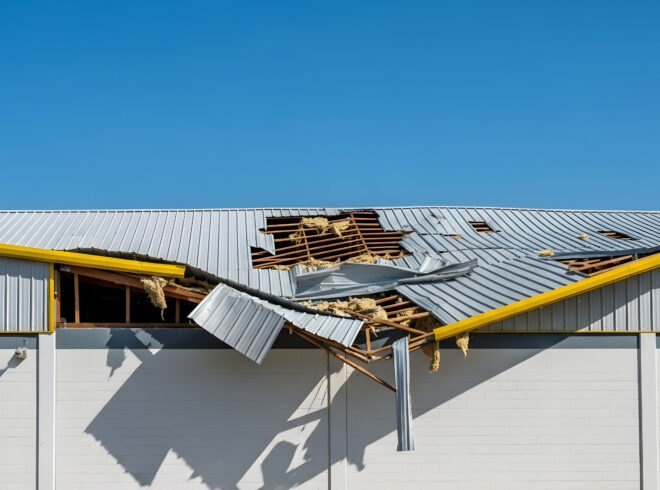
The Dallas Fort Worth climate is tough on commercial roofs. Long stretches of heat can dry out membranes. Spring hailstorms can bruise or puncture surfaces in minutes. Even strong winds can loosen flashing or peel back edges. Commercial roofing inspection checklist gives structure to inspections so nothing important slips through the cracks.
Skipping commercial roof inspections often leads to reactive maintenance. That is when a ceiling tile collapses or a tenant complains about water dripping near their workspace. Those situations cost more to fix and cause more disruption than planned inspections ever do.
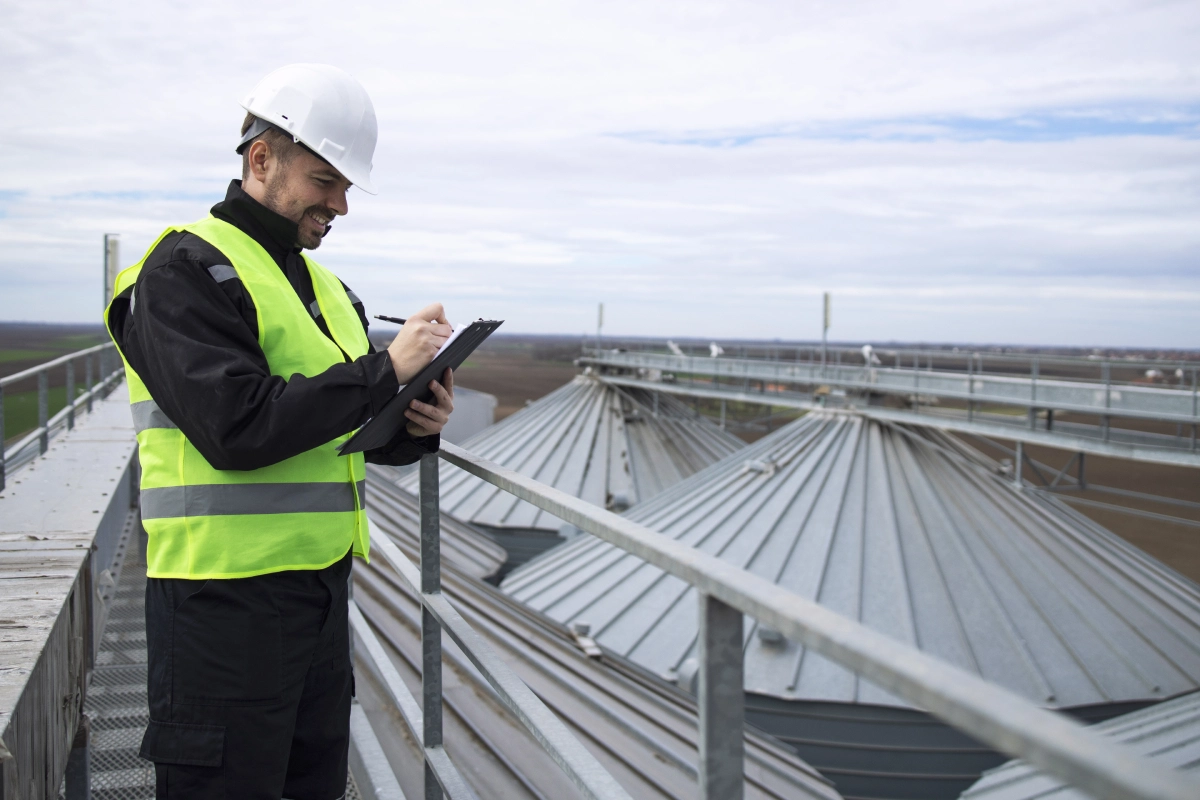
Start with what you can see right away. The surface of the roof tells a story if you know how to read it. Walk slowly and take notes.
Look for:
• Cracks, blisters, or bubbling in the roofing material
• Areas where water tends to pond after rain
• Signs of hail impact like dents or soft spots
• Loose seams or lifting edges
These issues show up frequently during a standard dfw commercial roofing inspection checklist review. Even small surface flaws can allow moisture to work its way in over time.
Also Read: A Complete Commercial Roofing Inspection Checklist for Property Managers
Flashing does a lot of quiet work. It seals transitions around vents, skylights, HVAC units, and roof edges. When flashing fails, leaks are not far behind.
During inspections, pay close attention to:
• Rusted or bent metal flashing
• Sealant that is cracked or pulling away
• Gaps around pipes or equipment bases
Many leaks traced in DFW buildings start at penetrations rather than the main roof field. This is also where a simple dash, like -, can remind inspectors to slow down and look closer instead of rushing through familiar areas.
Water should never sit on a commercial roof for long. If it does, something is wrong. Part of any dfw commercial roofing inspection checklist should focus on drainage.
Check that:
• Drains are clear of debris
• Scuppers are open and properly sized
• Gutters and downspouts are firmly attached
Blocked drainage leads to ponding water, which adds weight and increases wear. Over time, that standing water finds weak spots and forces its way inside.
A roof inspection is not limited to the roof itself. What is happening inside the building matters just as much. Sometimes the first warning signs show up indoors.
Keep an eye out for:
• Stains on ceilings or walls
• Musty smells in certain rooms
• Peeling paint near the roof line
When these signs appear, they often connect back to items missed on a previous dfw commercial roofing inspection checklist. A quick look inside can save hours of guessing later.
Also Read: Why Roof Inspections Are Critical Before the Texas Winter Season
An inspection without documentation is easy to forget. Photos, notes, and dates matter. Keep records of each inspection and any repairs made. This helps track patterns and proves maintenance if warranty questions come up.
Most professionals recommend inspections at least twice a year in DFW, usually in spring and fall. After major storms, a quick additional check makes sense. Even a small symbol like – in your notes can flag an area that needs monitoring next time.
Staying proactive with roof care does not require expert-level knowledge. It requires consistency and attention. Using a dfw commercial roofing inspection checklist gives property owners a clear path to follow and reduces the chance of costly surprises.
If you manage a building in North Texas, reviewing your inspection routine and making small adjustments now can pay off later. Whether you handle inspections in-house or rely on professionals, having a checklist in mind helps guide better conversations. If questions come up, even a note marked – can prompt a helpful discussion with a trusted roofing contractor later. A simple call or informal walkthrough can clarify priorities, set expectations, and keep the roof working quietly in the background, which is exactly what most property owners hope for. That small step often saves time, money, and stress later.


Contact with us through our representative or submit a business inquiry online.
Contact© 2026 911 Commercial Roofing All rights reserved. Designed By 
 972-900-5087
.png) support@911commercialroofing.com
support@911commercialroofing.com