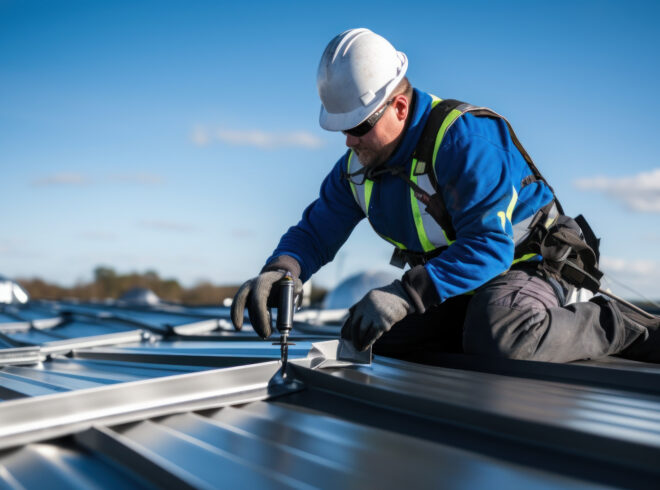
A commercial roof is one of the most important assets of any building. From office buildings to warehouses, retail stores to industrial facilities, your roof is shielding all of them from the elements. But even the best roofing system can leak, structurally fail, and cause expensive damage if not maintained regularly.
When following a maintenance checklist, it is possible for building owners to detect minor issues before they escalate into costly repairs. Many businesses also have commercial roof maintenance contracts in DFW to make sure that inspections and repairs are done on time all year round.
If you are a building owner, you should have a maintenance checklist to follow for your commercial roof to ensure it remains in excellent condition.
1. Schedule Regular Roof Inspections
At least twice a year (usually spring and fall), professional inspections should be carried out. Further inspections are suggested following heavy storms or hail.
When roofing professionals inspect roofs, they search for:
Periodic checks will reveal problems before they can become significant repair needs.
2. Remove Debris
Commercial roofs can accumulate leaves, branches, dirt, and trash over time. Causes pooling and clogs drainage, which makes it easier to get leaks.
Regularly remove:
A clean roof will work better and last longer.
3. Inspect Roof Drains and Gutters
One of the most common causes of damage to commercial roofs is standing water.
Inspect:
Remove obstructions to allow water to drain off the roof. Any type of trouble with draining can ultimately trigger damage to the membrane and inner leakages.
4. Check for Ponding Water
Ponding water is particularly problematic on flat commercial roofs.
If water is on the roof for over 48 hours after the rain, it may mean:
Draining ponding water could reduce the lifespan of your roof system and make repairs more costly.
5. Check Flashing and Seals
The roof flashing is installed to protect areas that are susceptible to damage around:
Flashings can loosen or crack over time, especially when exposed to the elements.
Check for:
Explore More: Maintenance Checklist for Metal Roofing on Commercial Buildings
6. Check the Roof Membrane
The roofing membrane is the main waterproofing barrier.
Watch for:
Membrane issues that are small can be fixed in a timely manner before they expand to larger areas of the roof.
7. Check Interior Ceilings
Don’t stop the roof inspection outside.
Within the building, check for:
Often, interior signs of a roof problem will be more apparent before you can see them from the roof.
8. Inspect Rooftop Equipment
Commercial roofs are frequently used for HVAC systems, satellite equipment, vents, and installations.
Check around equipment for:
Rooftop equipment technicians should also be careful not to cause damage to the roof accidentally.
9. Repair Minor Problems
Little problems don’t stay little.
Address problems such as:
Timely repairs are less costly than restoration.
10. Keep Maintenance Records
Keep a record of:
These records can be used to track the condition of roofs over time and to facilitate warranty claims if necessary.
Many firms that provide commercial roof maintenance contracts in DFW also share detailed reporting after each maintenance visit.
Maintaining commercial roofs is not a matter of just fixing a leak; it’s about preventing one from happening at all. By following a consistent inspection and maintenance program, your building remains protected, repair costs are kept to a minimum, the roof performs better, and the roof system life is prolonged. It is always better to maintain proactively rather than repairing in an emergency, regardless of whether you are responsible for one building or many.
Do not let a minor roofing problem escalate into a big problem. 911 Commercial Roofing provides dependable inspections, preventative maintenance, roof repairs, and customized commercial roof maintenance contracts in DFW that ensure your roof continues at peak performance throughout the year. Call our professional roofers today to schedule a professional roof assessment.


Contact with us through our representative or submit a business inquiry online.
Contact© 2026 911 Commercial Roofing All rights reserved. Designed By 
 972-900-5087
.png) support@911commercialroofing.com
support@911commercialroofing.com