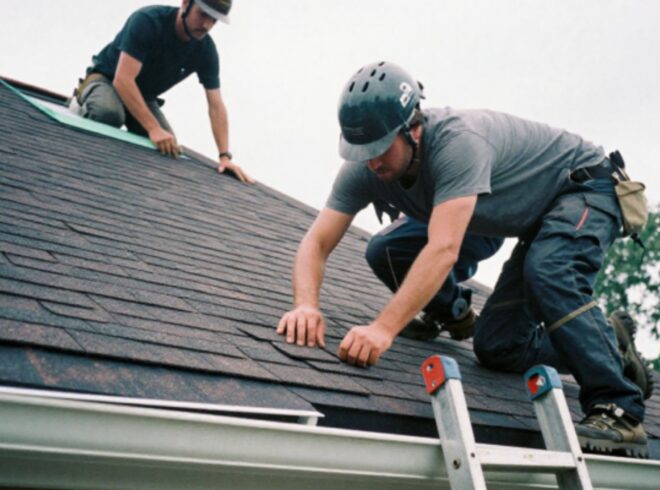
A commercial roof protects your building, equipment, employees, and daily operations. However, once it shows signs of ageing or damage, it becomes crucial to choose the right re-roofing solution. Property owners have two options: roof recover or tear-off. Both can restore roof performance, but the right choice will be determined after assessing the existing roof, building requirements, and long-term budget.
Understanding roof recover vs. tear-off will help make a well-informed decision and save you from unnecessary expenses. Let’s take a look at how these methods work and when they are suitable.
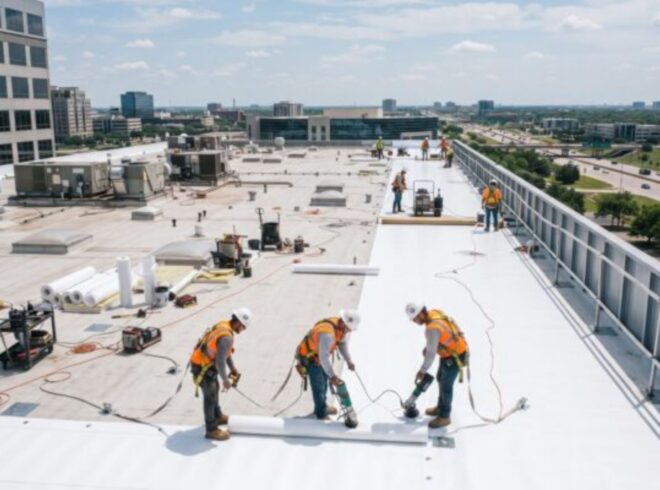
During roof recover, a new roofing system is installed over the existing one without removing the original material. This is an ideal solution when the current roof structure is sound and complies with local building codes.
Roof recover is not an option for all buildings. This option might not be the best in case of existing moisture, damaged insulation, or structural issues.
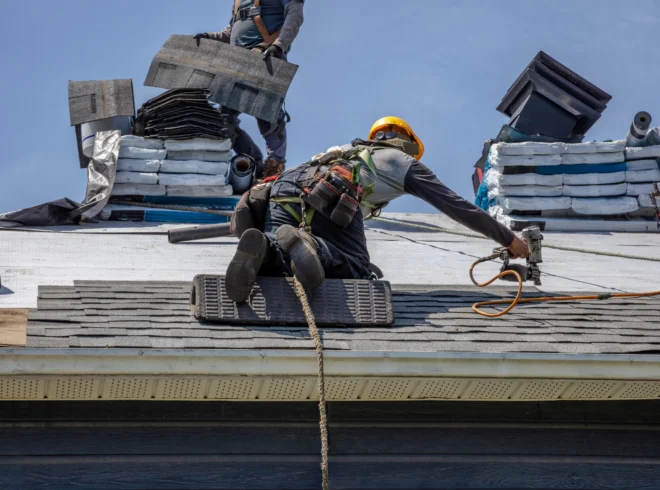
A complete tear-off involves removing the existing roofing system all the way down to the roof deck prior to installing new roofing materials. This method lets roofers see what is happening beneath the surface and identify any issues.
A complete tear-off will likely be more expensive and longer, but may be necessary to avoid future issues from an improper roofing system.
When deciding on roof recover vs tear-off, take into account the following:
| Factor | Roof Recover | Complete Tear-Off |
|---|---|---|
| Initial cost | Lower | Higher |
| Installation time | Usually faster | Usually longer |
| Existing materials | Remain in place | Completely removed |
| Structural inspection | Limited | Thorough |
| Waste generation | Lower | Higher |
| Hidden damage | May remain undetected | Can be detected and corrected |
These should be taken into consideration by your contractor before proposing a solution.
If the roofing system is relatively sound, roof recover may be the right solution. No major moisture issues, leaks, or structural decay should be present. Local building codes, existing roof layers, and manufacturer specifications should also be considered. The maximum number of roofing layers may be reached in some buildings already.
The best roof repair company can help you decide if your roof is capable of supporting a new roof.
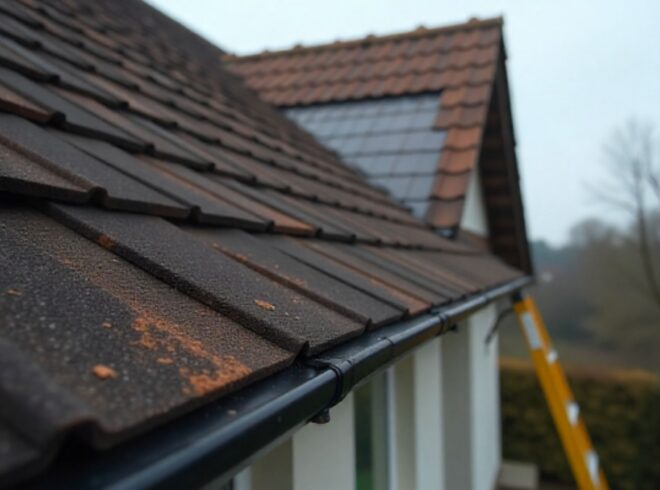
A complete tear-off is the best solution when the roofing system is extensively damaged or close to the end of its useful life.
This is a good option to consider if you notice any of the issues mentioned below:
A complete tear-off is an opportunity to solve the problem rather than hide it in these situations.
Choosing between roof recover and roof tear-off depends on your commercial roof’s condition, budget, and long-term needs. A roof recover can save time and money, but when there is underlying damage, complete tear-off is the best solution. A professional assessment will help you make sure that your investment will help you achieve a long-lasting roof.
Not sure which roofing solution is the best for your property? Call 911 Commercial Roofing for expert advice. Our team can assess your current system, discuss available choices, and recommend the proper solution for your commercial building roof repair needs
Contact with us through our representative or submit a business inquiry online.
ContactCommercial roof recover involves installing a new roofing system over the existing roof without removing the original materials. A complete tear-off requires removing the existing roofing layers down to the roof deck before installing a new system. Roof recover is generally quicker and less expensive, while tear-off allows contractors to inspect and repair hidden damage.
Yes, commercial roof recover is generally more affordable because it requires less labor, material removal, and disposal. However, if the existing roof has moisture problems, damaged insulation, or structural issues, a complete tear-off may provide better long-term value by addressing underlying problems.
A complete roof tear-off is recommended when the existing roofing system has extensive water damage, wet insulation, deteriorated decking, structural problems, or multiple roofing layers that do not meet building code requirements. It allows contractors to identify and resolve hidden issues before installing a new roofing system.
Yes, a new commercial roofing system can sometimes be installed over an existing roof through a process called roof recover. However, the existing structure must be in suitable condition, meet local building codes, and comply with manufacturer requirements. A professional roof inspection is necessary to determine whether this option is appropriate.
The right choice depends on the existing roof’s condition, moisture levels, structural integrity, number of roofing layers, project budget, and long-term maintenance requirements. A professional commercial roof inspection can help identify hidden damage and determine which re-roofing method will provide better performance and durability.
© 2026 911 Commercial Roofing All rights reserved. Designed By 
 972-900-5087
 support@911commercialroofing.com