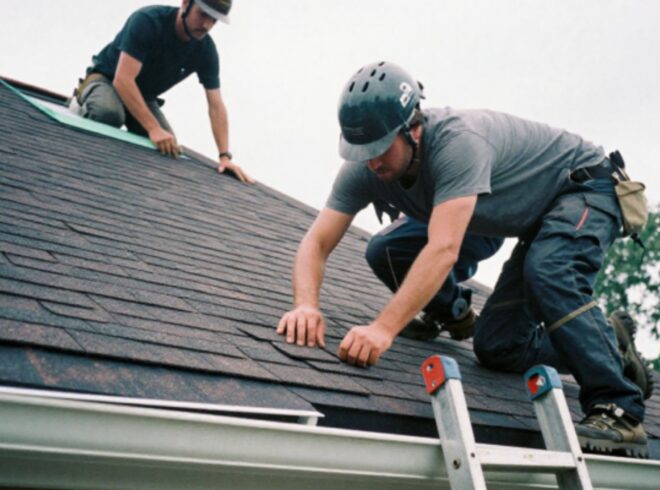
Replacing a commercial roof is a significant undertaking, but it doesn’t have to be a business disruption. Roofing projects can be conducted on office, warehouse, retail, and industrial buildings and facilities, where access is required during the process. By planning, scheduling, and taking the necessary precautions, companies can proceed with a commercial roof replacement without disrupting employee, customer, or critical business operations.
The main thing is to hire roofing companies that are knowledgeable about large roofing projects and how to run them without causing any disruptions. Here are some of the ways to do a commercial roof replacement without shutting down a building.
Develop a comprehensive project plan before roofing work is started, taking into account the activities of the building. Determine busy times, delivery times, customer flow, and locations that cannot be temporarily closed.
Talk with your roofing company about these requirements so that the work schedule can be adjusted to meet your business needs. For instance, noisy activities may be held outside business hours, and less noisy activities can be done during the day.
The first step in a well-organized commercial roofing replacement project is to communicate with building management and the roofing team.
A full roof replacement can be a risky and disruptive undertaking. Instead, break up the roof into smaller sections and work on one section at a time.
Benefits of this approach include:
A professional contractor can determine the best work sequence depending on its size, shape, and condition.
Safety should be the number one priority throughout the roofing project. Hazardous conditions can be caused by roofing materials, tools, debris, and heavy equipment if not managed properly. Set up limited areas under active roofing areas. Keep employees and visitors out of construction areas with clear signage, temporary barriers, and access routes.
Within the building, protect sensitive equipment, move valuable stock as required and cover work areas from dust and debris. These measures are taken to ensure safety and continuity of operations.
Some roofing activities are naturally noisier, more inconvenient, and more vibrating than others. The disposal of old roofing materials, use of machinery, and heavy installation can impact adjacent work areas. Plan these activities in relation to your time schedule. Planned business closures, weekends, and evenings can offer chances to do disruptive work with low impact.
Your contractor should also inform you ahead of time about any activities that may be taking place, noise levels, and temporary access restrictions.
One of the most significant issues when replacing a commercial roof is weather. Excessive removal of roofing material can leave the structure vulnerable to rain, moisture, and sudden changes in weather conditions.
The roofing crew should take apart and put back in place in small sections. Waterproof temporary coverings, protective membranes, and appropriate drainage planning can help prevent water from entering the building.
A trusted commercial roof restoration company also helps ensure that the existing roof conditions are assessed prior to replacement. This will help to identify potential issues and to make appropriate protection plans.
Even with a well-planned roofing project, there can be unexpected changes. Building managers can communicate regularly and respond quickly without interrupting vital operations. Request updates from your commercial roof restoration company about the work they are doing, their plans for the future, and advance warning of any work that may impact access to the building.
Choose one representative from your company and one from the roofing company. This helps to resolve issues before they get bigger, coordinate schedules, and address concerns.
The contractor you choose can have a huge impact on the project’s success. Seek out contractors who have experience with occupied commercial buildings and large roofing jobs.
The commercial roof restoration company that provides restoration services should be familiar with project scheduling, safety requirements, weather protection, and material management. They should also provide information about the replacement process, the likely timeframe, and any likely operational issues before work begins.
Your commercial roofing replacement project will be completed in a safe and productive way by the right team, without compromising building safety or business productivity.
Also read: How a New Commercial Roof Installation Can Improve Energy Efficiency
You don’t have to close your business to replace a commercial roof. The project can be done while keeping operations going by using phased construction, proper safety measures, weather protection, and careful scheduling. An experienced roofing contractor can help minimize disruption and safeguard your building during the process.
911 Commercial Roofing can help you plan your roofing project with safety, efficiency, and as little disruption as possible. Call us today to talk about your commercial roofing requirements and request a professional roof evaluation.
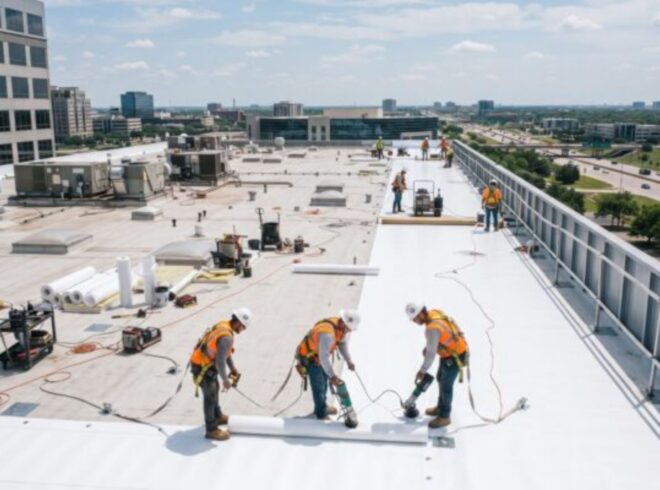
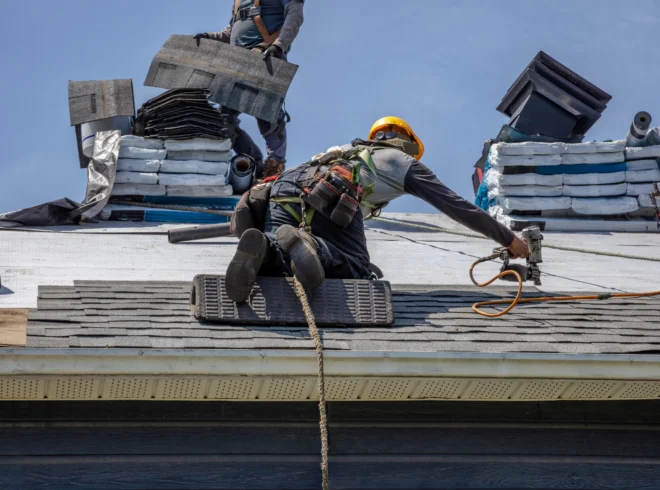
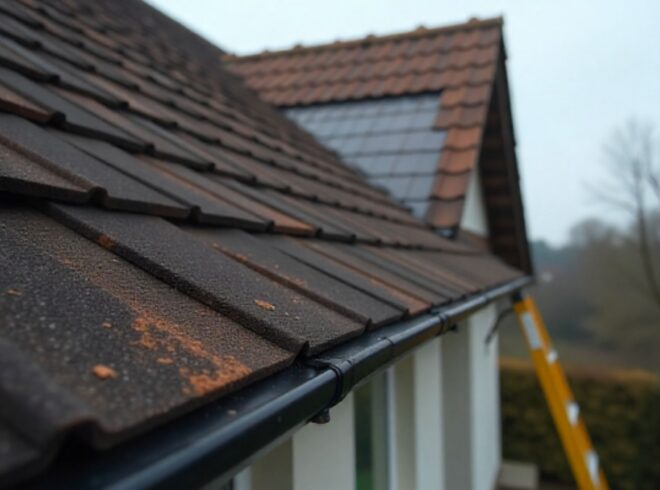
Contact with us through our representative or submit a business inquiry online.
ContactYes, a commercial roof can often be replaced while a business continues operating. Professional roofing contractors use phased installation, designated work zones, safety barriers, and carefully planned schedules to minimize disruptions and maintain a safe environment for employees, customers, and visitors.
Businesses can minimize disruptions by scheduling noisy work during off-hours, dividing the roofing project into manageable sections, establishing restricted work areas, and maintaining clear communication with employees and customers. Proper planning helps keep daily operations running smoothly throughout the project.
The timeline for commercial roof replacement depends on the building’s size, roofing materials, existing roof condition, weather conditions, and project complexity. Smaller projects may take a few days, while larger commercial roofing projects can require several weeks. A contractor can provide a more accurate timeline after inspecting the property.
Important safety measures include installing protective barriers, securing work zones, controlling rooftop access, managing construction debris, and maintaining safe entry and exit routes. Roofing contractors should also coordinate with building management to protect employees, customers, equipment, and visitors.
The best time depends on local weather conditions, business activity, roofing material requirements, and contractor availability. Many businesses prefer scheduling major roofing work during periods of lower customer traffic or outside regular operating hours to reduce disruptions and maintain productivity.
© 2026 911 Commercial Roofing All rights reserved. Designed By 
 972-900-5087
 support@911commercialroofing.com