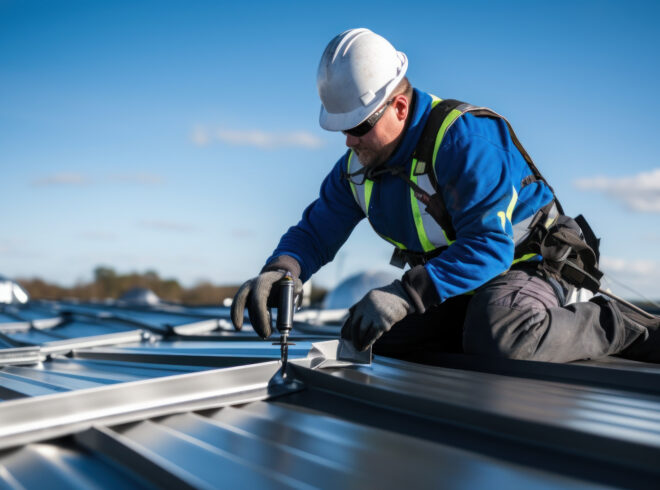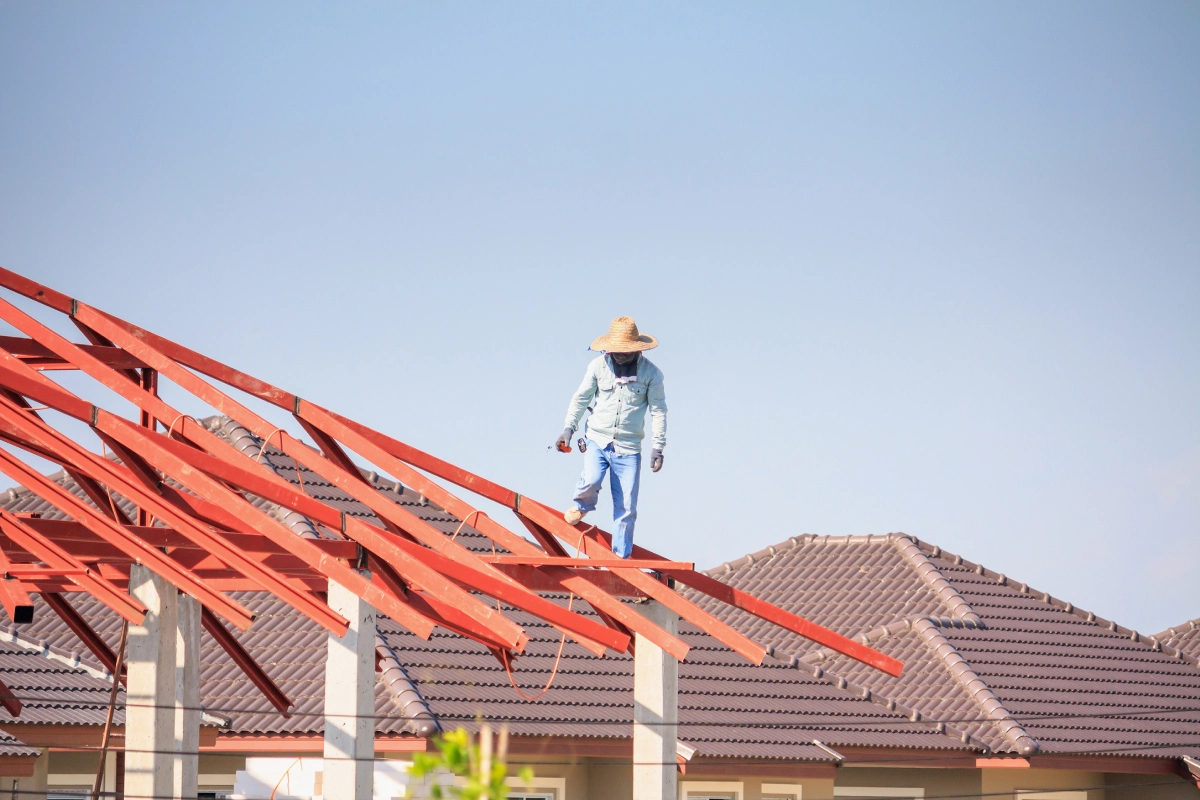
One of the most crucial components of any commercial building is the flat roof. It shields your building, equipment, workers, and daily business activities from the harsh weather and unanticipated damage. Many roofing problems, however, occur over a period of time and may not be noticed until they become a costly problem.
Routine commercial roof inspections can prevent leaks, structural problems, and expensive repairs by detecting issues before they become a problem. A professional roof inspection is beneficial for both new and old roofs, as it can offer crucial information about the roof’s condition and help you plan for future maintenance or repairs.
Flat roofs are constantly exposed to the sun, rain, and wind, as well as temperature fluctuations. Over time, this can weaken roofing materials and turn small issues into large ones.
Scheduling commercial roof inspections at least twice a year helps building owners:
After extreme weather, it is also advisable to have your roofing system inspected regularly to maintain it in top condition.
Professional roofers have a comprehensive checklist and review all aspects of your roofing system. The following are the primary areas they will be checking.
Roof Surface Condition
The inspector thoroughly checks the roof membrane for cracks, holes, blisters, tears, and aging. Moisture may penetrate the building if it is not repaired, even at small areas of surface damage.
Flashing and Seals
Loose portions, gaps, or old seals around vents, HVAC units, skylights, and around the edges of the roof are inspected. One of the most frequent causes of roof leaks is damaged flashing.
Drainage System
Good drainage is critical for flat roofs. When inspecting commercial roofs, contractors check drains, gutters, and downspouts to ensure that water flows away from the roof. Standing water can lead to leaks and structural damage due to blocked drainage systems.
Ponding Water
After rain, water should not be allowed to sit on a flat roof for extended periods of time. Inspectors check for low areas where water tends to pool, as ponding can reduce the lifespan of roofing materials and help to prevent leaks.
Roof Penetrations
Special attention is paid to areas around pipes, vents, exhaust fans, and rooftop equipment. These are typical places where seals can wear or become damaged and allow water to leak in.
Interior Signs of Damage
A full inspection may include the interior of the building for water damage, mould, damp insulation, damaged ceiling, or possible roof leaks. Roofing problems are frequently discovered through interior evidence prior to causing major problems.
Explore More: Commercial Roof Maintenance Checklist: Preventative Steps to Extend Roof Life
A lot of roofing issues begin small and go undetected for months. Typical commercial roof inspections by a professional will reveal:
Early detection of these issues will enable repairs to be made before a complete roof replacement is necessary.
Regular maintenance is a long-term investment for business owners of commercial property.
Early detection of a problem can avoid costly emergency repairs and prolong the life of your roof. Regular maintenance also helps to maintain the energy efficiency of the building by keeping the insulation and roofing materials intact.
Inspection reports also serve as a form of documentation that can be beneficial in the event of an insurance claim, warranty, budgeting, and future maintenance planning.
Professional commercial roof inspection services provide building owners peace of mind that their building is protected all year long when conducted by professionals.
A commercial flat roof inspection is far from a simple visual inspection. It is a thorough assessment of the entire roofing system, which can identify hidden issues, optimize performance, and avoid unpleasant surprises. Professional inspections can help you keep your building safe and protected, from checking the roof membranes and drainage systems to inspecting flashing and interior moisture indicators. Regular inspections will ensure you don’t have to deal with any unexpected repairs, keep your roof lasting for years, and safeguard your business investment.
At 911 Commercial Roofing, our trusted team carries out comprehensive inspections, maintenance, and repair services. Contact us today for a professional commercial roofing inspection and ensure the safety of your commercial property.


Contact with us through our representative or submit a business inquiry online.
Contact© 2026 911 Commercial Roofing All rights reserved. Designed By 
 972-900-5087
.png) support@911commercialroofing.com
support@911commercialroofing.com